Decoding the 2026 Cable Original Landscape: Streaming Wars Shift Network Strategies

As streaming platforms fight for subscriber loyalty, linear networks are radically changing how they greenlight and budget new shows.
Decoding the 2026 Cable Original Landscape breaks down how traditional networks are adapting their original programming, co-production deals, and release schedules to survive the streaming wars.
The Evolving Terrain of Cable Originals in 2026
The traditional television industry finds itself at a pivotal juncture as the 2026 cable original landscape continues its dramatic transformation.
Streaming services have fundamentally altered how content is produced, distributed, and consumed, creating unprecedented pressures on established cable networks.
This shift necessitates a profound reevaluation of network strategies for new series, moving away from broad appeal to more targeted, distinctive programming.
The battle for viewer attention has intensified, making content differentiation paramount for survival and growth in a crowded market.
As we delve into Decoding the 2026 Cable Original Landscape, it becomes clear that adaptability and innovation are no longer luxuries but essential components of any successful broadcast model.
Streaming’s Dominance and Its Impact on Cable
Streaming platforms have not merely joined the content ecosystem; they have redefined it, establishing new benchmarks for production quality, release schedules, and interactive viewer experiences.
This dominance compels cable networks to innovate or risk obsolescence.
The financial muscle of streaming giants allows for massive investments in original content, drawing top talent and compelling narratives away from traditional broadcasters.
Consequently, the competitive bar for attracting and retaining audiences has been significantly raised across the board.
The implications for the 2026 cable original landscape are profound, pushing networks to adopt agile production models and explore unconventional content partnerships to compete effectively.
Shifting Viewer Habits and Content Consumption
Modern audiences exhibit a strong preference for on-demand access, ad-free viewing experiences, and personalized content recommendations. This behavioral shift directly challenges cable’s linear programming model and subscription bundles.
The rise of cord-cutting and cord-nevers further exacerbates the situation, as younger demographics increasingly bypass traditional cable subscriptions altogether.
Networks must now cater to a generation accustomed to immediate gratification and tailored content.
Understanding these evolving viewer habits is critical for cable networks as they strategize for new series in the dynamic 2026 cable original landscape.
- Demand for on-demand content access
- Preference for ad-free viewing options
- Increased reliance on personalized recommendations
- Growth of cord-cutting and cord-nevers among younger audiences
Network Strategies for New Series in a Streaming Era
In response to the formidable challenge posed by streaming services, cable networks are actively recalibrating their strategies for new series.
This involves a multifaceted approach that includes focusing on niche genres, developing premium content, and forging strategic collaborations.
Many networks are now prioritizing content that resonates deeply with specific demographics, leveraging their established brand identities to cultivate loyal fan bases.
This targeted approach aims to create unique viewing propositions that stand out from the vast offerings of streaming platforms.
Moreover, there’s a discernible trend towards shorter, high-impact series and event programming designed to generate significant buzz and attract viewers in a fragmented media environment, all part of navigating the 2026 cable original landscape.
Focus on Niche Content and Brand Identity
Cable networks are increasingly investing in niche content that aligns with their core brand identity, aiming to serve specific audience segments effectively.
This strategy helps differentiate their offerings from the generalist approach often taken by larger streaming services.
By cultivating a strong, recognizable brand through specialized programming, networks can foster deeper engagement and loyalty among their target viewers.
This includes genres like true crime, documentary series, and specialized reality programming.
Such a focused content strategy is proving essential for survival and relevance within the competitive 2026 cable original landscape.
Strategic Partnerships and Co-Productions
Collaboration has become a key element of modern content creation, with cable networks increasingly entering into strategic partnerships and co-productions.
These alliances allow networks to share production costs, access broader distribution channels, and tap into new creative talent pools.
Partnering with streaming services or other production companies can also provide cable networks with opportunities to license their content for wider global reach, generating additional revenue streams.
This collaborative model is vital for expanding their footprint and mitigating financial risks.
These strategic alliances are reshaping how content is brought to market, offering innovative solutions for the 2026 cable original landscape.
- Sharing production costs and resources
- Expanding global distribution opportunities
- Accessing diverse creative talent and intellectual property
- Mitigating financial risks associated with high-budget productions
The Role of Live Events and Sports in Cable’s Future
Live events, particularly sports, remain a significant draw for traditional cable, offering an experience that streaming, despite its advancements, struggles to fully replicate.
The immediate, unrepeatable nature of live programming provides a unique value proposition for cable subscribers.
Networks are heavily investing in securing exclusive rights to major sporting events and other live broadcasts, recognizing their power to attract and retain viewers.
This content acts as a crucial anchor in an increasingly fragmented media landscape.
The ability to deliver high-quality, real-time broadcasts positions live content as a critical component in the ongoing evolution of the 2026 cable original landscape.
Advertising Models and Revenue Diversification
The shift in viewership patterns has compelled cable networks to re-evaluate their traditional advertising models and explore new avenues for revenue diversification.
This includes integrating more sophisticated ad technologies and exploring subscription-based alternatives.
Programmatic advertising, interactive ad formats, and personalized ad experiences are becoming increasingly common, allowing networks to offer more targeted and effective advertising solutions.
This helps maintain advertiser interest in an era dominated by digital platforms.
Furthermore, many cable networks are launching their own standalone streaming services or hybrid models, aiming to capture both traditional linear viewers and digital-first audiences, thus adapting to the demands of the 2026 cable original landscape.
Hybrid Models and DTC Offerings
The emergence of direct-to-consumer (DTC) offerings from traditional cable networks represents a significant strategic pivot.
These hybrid models allow networks to offer their content directly to consumers, bypassing traditional cable bundles and reaching cord-cutters.
By providing both linear broadcast and on-demand streaming options, networks aim to maximize their audience reach and content monetization opportunities.
This dual approach is critical for navigating the complexities of the modern media environment.
These initiatives are central to how networks are adapting their strategies for new series within the competitive 2026 cable original landscape.
Technological Advancements and Content Delivery
Technological advancements play a crucial role in shaping the future of content delivery for cable networks.
Innovations in production, distribution, and viewer analytics are enabling networks to create more compelling content and deliver it more efficiently.
High-definition and 4K production standards, along with immersive audio technologies, enhance the overall viewing experience, allowing cable networks to compete on quality.
Advanced data analytics provide invaluable insights into audience preferences and viewing habits.
These technological integrations are fundamental to how networks are refining their strategies for new series and maintaining relevance in the 2026 cable original landscape.
Data Analytics and Audience Insights
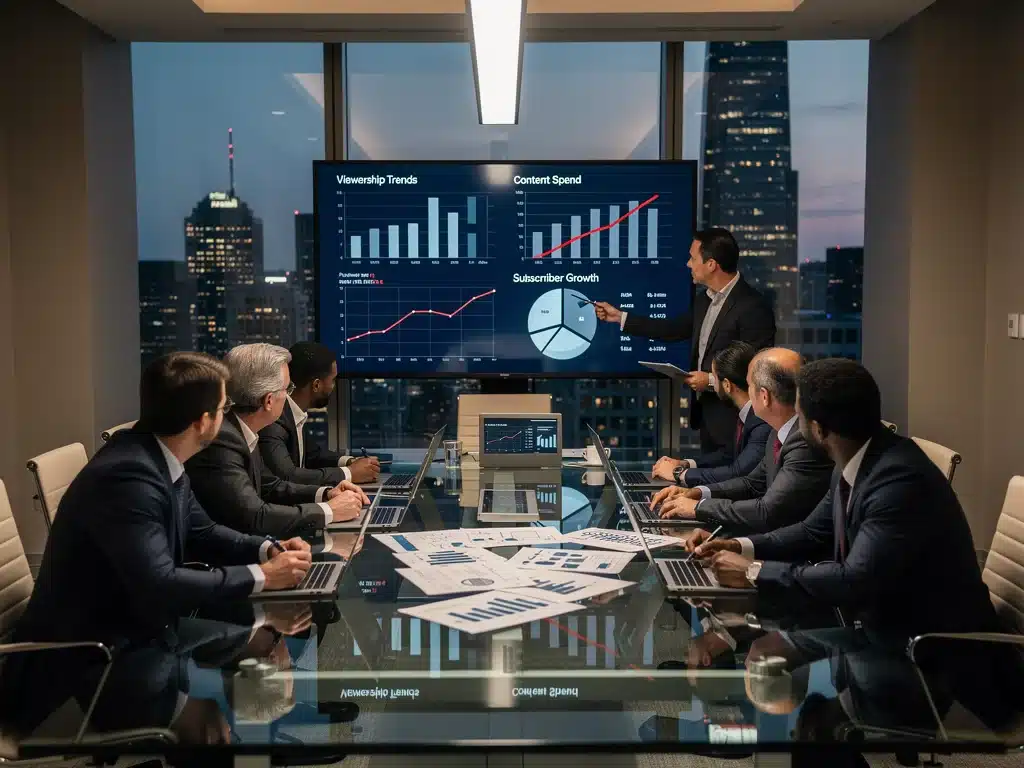
Leveraging robust data analytics has become indispensable for cable networks seeking to understand their audience better and inform their content strategies.
Insights derived from viewer data help in greenlighting new series, scheduling, and marketing efforts.
By analyzing consumption patterns, genre preferences, and engagement metrics, networks can make more informed decisions about the types of original content to produce.
This data-driven approach minimizes risk and maximizes the potential for audience resonance.
Such insights are pivotal for effectively navigating the challenges and opportunities within the 2026 cable original landscape.
The Future of Storytelling: Premium and Distinctive Content
As the competition for viewer attention intensifies, the future of storytelling in the 2026 cable original landscape hinges on the production of premium and distinctive content.
Networks are focusing on high-quality narratives that offer unique perspectives and resonate deeply with audiences.
This commitment to excellence involves investing in top-tier writers, directors, and actors, as well as providing ample creative freedom to develop groundbreaking series.
The goal is to create must-watch programming that stands out from the sheer volume of available content.
Ultimately, the ability to deliver consistently compelling and original stories will be the defining factor for cable networks in the evolving media ecosystem, especially when discussing the 2026 cable original landscape.
Investing in High-Quality Production Values
To compete with the lavish budgets of streaming giants, cable networks are increasingly prioritizing high-quality production values for their original series.
This includes cinematic visuals, sophisticated special effects, and immersive sound design.
Such investments ensure that cable originals can rival the aesthetic appeal of content found on major streaming platforms.
This focus on premium production elevates the overall viewing experience and reinforces the network’s commitment to quality programming.
These efforts are crucial for attracting and retaining discerning audiences in the highly competitive 2026 cable original landscape.
Challenges and Opportunities for Cable Networks
The transformation of the 2026 cable original landscape presents both significant challenges and unique opportunities for traditional networks.
While navigating intense competition and shifting viewer habits, networks also have the chance to redefine their roles.
Challenges include declining linear viewership, increased content costs, and the need to constantly innovate in a rapidly evolving market.
However, opportunities arise from developing niche content, leveraging brand loyalty, and exploring new distribution models.
Successfully overcoming these challenges and capitalizing on opportunities will determine the long-term viability and success of cable networks in the coming years, particularly in the context of the 2026 cable original landscape.
| Key Aspect | Impact on Cable Networks |
|---|---|
| Streaming Dominance | Forces innovation in content and delivery, pushing for niche focus. |
| Niche Content Focus | Differentiates offerings and cultivates loyal, targeted audiences. |
| Strategic Partnerships | Reduces costs, expands reach, and accesses diverse creative pools. |
| Revenue Diversification | Introduces hybrid models and advanced ad tech to maintain profitability. |
Frequently Asked Questions About the 2026 Cable Original Landscape
Streaming wars are forcing cable networks to pivot from broad appeal to niche content and premium productions. This intense competition drives innovation in storytelling, distribution models, and strategic partnerships, fundamentally reshaping the industry for 2026 cable original landscape.
Cable networks are focusing on highly specific genres, leveraging brand identity, and engaging in co-productions. They are also exploring hybrid distribution models and investing heavily in live events to differentiate themselves in the competitive 2026 cable original landscape.
Traditional cable TV is adapting by integrating streaming elements and focusing on unique content like live sports and news. Survival depends on effective revenue diversification, strategic content choices, and embracing technological advancements to remain relevant in the 2026 cable original landscape.
Data analytics are crucial for understanding audience preferences, informing content development, and optimizing scheduling. By analyzing viewership patterns, networks can make data-driven decisions that minimize risk and maximize engagement for new series within the 2026 cable original landscape.
Co-productions are vital for cable networks, allowing them to share costs, access wider distribution, and collaborate with diverse talent. These partnerships are key to producing high-quality, competitive content and expanding market reach in the challenging 2026 cable original landscape.
Looking Ahead: The Resilient Evolution of Cable Originals
The ongoing evolution of the 2026 cable original landscape signifies a period of intense innovation and strategic realignment for traditional networks.
While streaming wars present formidable challenges, they also compel a necessary transformation, fostering more specialized and high-quality content production.
To explore how physical infrastructure powering modern home entertainment setup hardware evolves alongside these media shifts, check out this guide on landscape cable specifications.
The future will likely see cable networks continuing to refine their niche offerings, invest in live experiences, and embrace flexible distribution models to secure their place in the dynamic media ecosystem.
The landscape is not merely changing; it is dynamically adapting, with the 2026 cable original landscape at its forefront.