Unlocking 2026’s Top 5 Limited Series Product Tests: Early Access Guide
Explore 2026 Limited Series Tests, focusing on the top 5 exclusive product opportunities. This guide offers an insider's view for early access over the next three months. Understand the qualification criteria and how to maximize your participation in these highly anticipated trials.
Explore 2026 Limited Series Tests, focusing on the top 5 exclusive product opportunities. This guide offers an insider’s view for early access over the next three months. Understand the qualification criteria and how to maximize your participation in these highly anticipated trials.
Unlocking 2026’s Top 5 Limited Series Product Tests: A 3-Month Insider’s Guide to Early Access is rapidly becoming a focal point for consumers eager to influence future product landscapes. This exclusive insight details how individuals can secure early access to groundbreaking innovations, offering a unique opportunity to shape their development.
The landscape of product development is evolving, with limited series tests providing a critical bridge between concept and mass market. This guide provides a comprehensive overview of what to expect, how to prepare, and the tangible benefits of participating in these elite programs.
As 2026 approaches, the demand for exclusive product experiences is escalating, making early access programs more competitive than ever. Understanding the intricate processes and strategic approaches to these tests is paramount for any aspiring product tester.
Understanding the Landscape of 2026 Limited Series Tests
The year 2026 is poised to introduce a new wave of innovative products, and limited series tests are at the forefront of their market validation. These tests are meticulously designed to gather invaluable feedback from a select group of users, ensuring products meet high standards before broader release.
Companies are increasingly relying on these controlled environments to fine-tune features, identify potential issues, and gauge consumer reception. Participation in these programs offers a privileged glance into the future of technology, fashion, and lifestyle products.
For those interested in 2026 Limited Series Tests, understanding the underlying mechanisms and selection processes is crucial. It’s not merely about receiving a product; it’s about actively contributing to its perfection and market readiness.
The Strategic Importance of Early Access
Early access programs serve as a vital feedback loop, allowing developers to iterate on designs and functionalities based on real-world usage. This iterative process significantly reduces the risk of product failure upon general launch, benefiting both companies and consumers.
Participants gain the distinct advantage of influencing product development, often seeing their suggestions incorporated into the final versions. This level of engagement fosters a sense of ownership and community among early testers, enriching the overall experience.
Key Sectors Driving Innovation
- Wearable Technology: Smartwatches, health trackers, and augmented reality glasses are constantly evolving, with new iterations seeking user input.
- Sustainable Lifestyle Products: Eco-friendly innovations, from smart home devices to sustainable fashion, are a growing area for limited tests.
- Personalized Wellness Devices: Devices offering tailored health and fitness insights are frequently subjected to rigorous user testing cycles.
- Advanced Home Automation: Next-generation smart home systems and appliances are prime candidates for early user feedback.
Navigating the Application Process for Exclusive Product Tests
Securing a spot in 2026 Limited Series Tests requires a strategic approach to the application process. Companies seek specific demographics and user profiles that align with their product’s target market, making a tailored application essential.
Prospective testers should focus on highlighting their relevant experience, technical proficiency, and willingness to provide detailed, constructive feedback. A well-crafted application can significantly increase the chances of selection.
Understanding the nuances of each program’s requirements and demonstrating genuine interest in the product category are key factors. Generic applications are often overlooked in favor of those that showcase a clear understanding of the test’s objectives.
Crafting a Standout Application Profile
Your application is your first impression. It should clearly articulate why you are the ideal candidate for a specific product test, emphasizing your expertise and enthusiasm. Detail any past experience with similar products or testing programs.
Companies often look for individuals who are articulate and capable of providing comprehensive written and verbal feedback. Showcasing your ability to analyze and communicate effectively will set you apart from other applicants.
Common Application Requirements
- Demographic Information: Age, location, and household details are often requested to match testers with target audiences.
- Tech Proficiency: Questions about your comfort level with technology and specific operating systems are common.
- Product Usage Habits: Details on how you currently use similar products help companies understand your baseline experience.
- Feedback Style: Some applications ask about your preferred method of providing feedback, whether through surveys, forums, or direct communication.
The 3-Month Insider’s Timeline: What to Expect
The 3-month window for 2026 Limited Series Tests is typically structured to maximize data collection and product refinement. This period is often divided into distinct phases, each with specific objectives and engagement requirements for participants.
Understanding this timeline allows testers to anticipate demands and allocate sufficient time for thorough evaluation and feedback submission. It’s a commitment that yields significant influence over the final product.
Successful participation hinges on consistent engagement and adherence to the program’s schedule. Missing deadlines or providing insufficient feedback can lead to removal from these exclusive testing opportunities.
Phase 1: Initial Product Reception and First Impressions (Month 1)
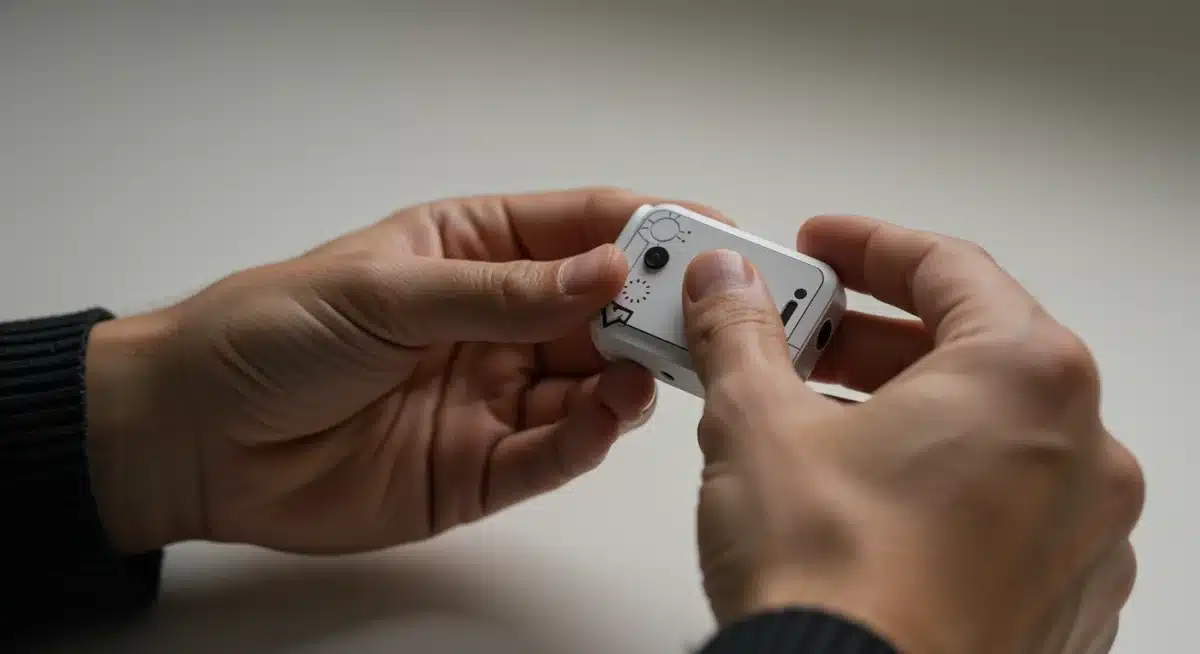
The first month focuses on the initial unboxing experience, setup, and immediate usability. Testers are typically asked to document their first impressions, any challenges encountered, and overall ease of integration into their daily routines.
This phase is critical for identifying glaring design flaws or major usability issues that could hinder widespread adoption. Companies rely on this early feedback to make swift adjustments.
Phase 2: Deep Dive and Feature Exploration (Month 2)
Month two involves a more in-depth exploration of the product’s features and functionalities. Testers are encouraged to push the product to its limits, testing various scenarios and specific use cases as outlined by the program organizers.
Feedback during this period often includes detailed bug reports, suggestions for feature enhancements, and comparisons with existing market alternatives. This is where the true value of an experienced tester shines.
Phase 3: Long-Term Usability and Final Assessment (Month 3)
The final month assesses the product’s durability, long-term performance, and overall satisfaction. Testers evaluate how the product holds up under sustained use and whether it continues to meet their needs effectively.
A comprehensive final report is usually required, summarizing the entire testing experience, including pros, cons, and a definitive recommendation. This phase solidifies the collective feedback that will inform the product’s launch strategy.
Maximizing Your Impact in Limited Series Product Tests
To truly make a difference in 2026 Limited Series Tests, testers must adopt a proactive and analytical approach. Beyond simply using the product, it involves thoughtful observation, detailed documentation, and constructive communication.
Your insights are invaluable to companies, helping them refine products that resonate with consumer needs. Maximizing your impact means delivering feedback that is not only critical but also actionable and well-supported.
Engaging actively with the testing community and program managers can also amplify your influence, fostering a collaborative environment where ideas are exchanged and problems are collectively solved.
Delivering Actionable Feedback
Effective feedback is specific, objective, and solution-oriented. Instead of merely stating a problem, explain the context, the impact, and ideally, suggest potential improvements. This type of feedback is most valuable to development teams.
Utilize screenshots, videos, and logs whenever possible to support your observations. Visual evidence can often convey issues more clearly than written descriptions alone, streamlining the problem-solving process.
Engaging with the Testing Community
- Participate in Forums: Actively join online discussions, share your experiences, and learn from others’ insights.
- Attend Virtual Meetings: If offered, participate in Q&A sessions or webinars with product teams to gain clarity and provide direct feedback.
- Collaborate on Bug Reports: Work with other testers to confirm bugs and provide collective data, strengthening the validity of the findings.
- Offer Peer Support: Help other testers with common issues, fostering a positive and productive testing environment.
Expected Innovations and Trends for 2026
The year 2026 is anticipated to bring significant advancements across various product categories, driven by emerging technologies and shifting consumer preferences. Limited series tests will be instrumental in introducing these innovations to the market.
Expect to see a strong emphasis on artificial intelligence integration, enhanced personalization, and sustainable design principles. These trends will define the next generation of consumer products.
Staying informed about these overarching trends can provide valuable context for participants in 2026 Limited Series Tests, allowing them to offer more informed and forward-thinking feedback during their evaluations.

The Rise of AI-Powered Personalization
Products that adapt to individual user behavior and preferences are set to dominate the market. AI algorithms will enable devices to learn from usage patterns, offering highly customized experiences in areas like health, entertainment, and home management.
Limited series tests for these products will likely focus on the accuracy and effectiveness of these AI adaptations, as well as user comfort with data privacy and algorithmic control.
Sustainability at the Core of Product Design
Consumer demand for environmentally responsible products continues to grow, pushing manufacturers to innovate with sustainable materials and energy-efficient designs. Expect limited tests for products with reduced carbon footprints and extended lifespans.
Feedback will be crucial for assessing the practical implications of sustainable design choices, such as material durability, recyclability, and perceived value by environmentally conscious consumers.
Ethical Considerations and Data Privacy in Product Testing
Participating in 2026 Limited Series Tests comes with important ethical considerations, particularly regarding data privacy and the responsible use of personal information. Companies are increasingly transparent about their data collection policies, but testers must remain vigilant.
It is essential to thoroughly review the terms and conditions of any testing program, understanding what data will be collected, how it will be used, and for how long it will be stored. Informed consent is paramount in these agreements.
Testers also have a responsibility to act ethically, maintaining confidentiality about unreleased products and providing honest, unbiased feedback. The integrity of the testing process relies on mutual trust and adherence to ethical guidelines.
Safeguarding Your Personal Information
Before joining any product test, ensure the company has robust data protection measures in place, complying with regulations like GDPR or CCPA. Understand the scope of data collection and whether it can be anonymized.
Be cautious about sharing highly sensitive personal data unless absolutely necessary for the test’s objectives. When in doubt, seek clarification from the program organizers regarding data handling practices.
Maintaining Confidentiality Agreements
- Non-Disclosure Agreements (NDAs): Most limited series tests require signing an NDA, legally binding you to secrecy about the product.
- Avoid Public Discussion: Refrain from discussing unreleased products on social media, forums, or with individuals not involved in the test.
- Secure Product Samples: Keep test products in a secure location to prevent unauthorized access or accidental disclosure.
- Report Breaches: If you suspect a breach of confidentiality by others, report it immediately to the program organizers.
The Future of Consumer Influence through Limited Series
The role of limited series product tests in shaping consumer products is set to expand significantly by 2026. As product cycles accelerate and consumer expectations rise, early access programs will become even more integral to successful market launches.
This trend empowers consumers to become active participants in the innovation process, moving beyond passive consumption to direct influence. The feedback loop generated by these tests is a powerful driver of market evolution.
For those passionate about specific product categories, engaging with 2026 Limited Series Tests offers a unique pathway to contribute to the next generation of goods and services, solidifying their role as influential early adopters.
| Key Aspect | Description |
|---|---|
| Early Access Benefits | Influence product development, gain exclusive insights, shape future innovations. |
| Application Strategy | Tailor profile, highlight expertise, demonstrate genuine interest. |
| 3-Month Timeline | Initial impressions, deep feature dive, long-term usability assessment. |
| Ethical Participation | Review data privacy, adhere to NDAs, provide unbiased, constructive feedback. |
Frequently Asked Questions About 2026 Limited Series Product Tests
These are exclusive programs where selected individuals get to test pre-release versions of new products scheduled for 2026. The goal is to gather detailed feedback to refine the products before their official launch, offering participants a unique insight into future innovations.
Qualification typically involves specific demographics, tech proficiency, and a demonstrated ability to provide detailed feedback. Companies often look for individuals who align with the product’s target audience and have relevant experience with similar technologies or product categories.
While durations can vary, many limited series product tests, especially for complex products, span approximately three months. This allows for comprehensive evaluation across different phases: initial impressions, in-depth feature testing, and long-term usability assessment.
Developers value specific, actionable, and constructive feedback. This means clearly describing issues, providing context, suggesting potential solutions, and supporting observations with evidence like screenshots or videos. General complaints without detail are less helpful for product refinement.
Yes, participants often sign Non-Disclosure Agreements (NDAs) to keep product details confidential. It’s also crucial to understand data privacy policies, ensuring collected personal data is handled responsibly. Providing honest and unbiased feedback is an ethical responsibility of every tester.
Looking Ahead: The Evolving Role of Early Access
The insights garnered from 2026 Limited Series Tests will undoubtedly shape the consumer product landscape for years to come. These programs represent a significant shift towards more collaborative product development, where consumer input is not just valued but actively sought and integrated.
As technology continues its rapid advancement, the importance of early access programs will only intensify, offering a unique platform for consumers to directly influence the innovations they will eventually use. Staying engaged and informed about these opportunities is key for anyone wanting a front-row seat to the future.