Decoding Success: 2026 Analysis of Free Product Campaigns
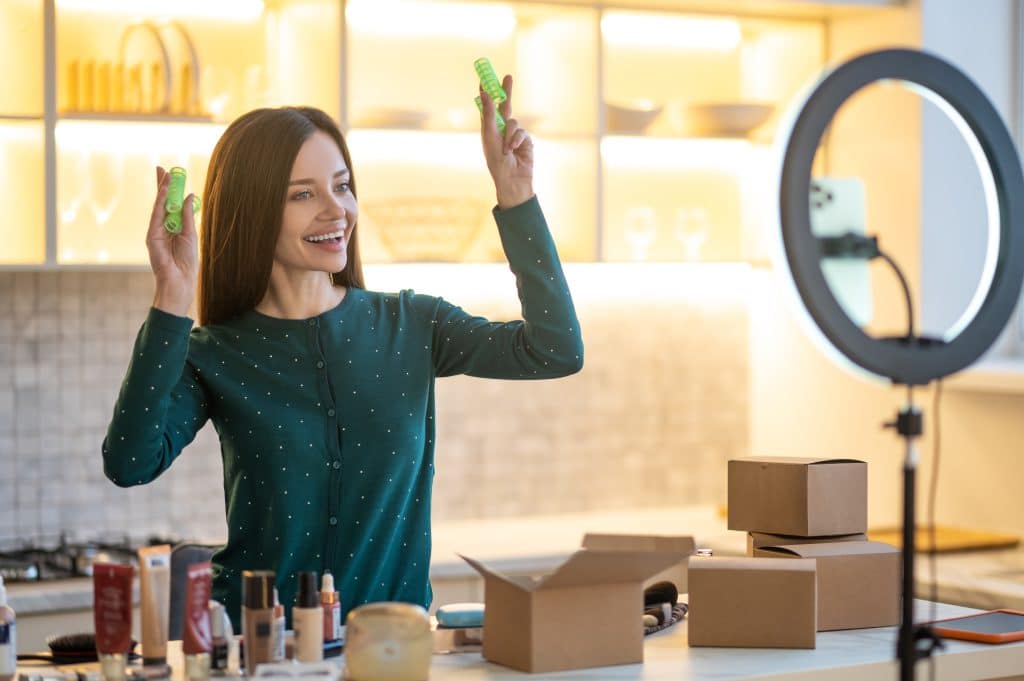
The “Free Product Campaigns 2026” report identifies a shift from mass sampling to precision-targeted limited series.
This year, major brands are using AI to identify “micro-influencers” based on niche interest data, resulting in a 30% higher conversion rate compared to traditional blanket distributions.
This guide analyzes three standout 2026 campaigns, breaking down why these “limited series” releases outperformed traditional launches.
We explore the role of digital scarcity, the integration of AR unboxing experiences, and how brands are turning a one-time freebie into a lifetime customer relationship through hyper-personalized follow-up strategies.
The Strategic Pillars of Free Product Campaigns 2026
The successful free product campaigns in 2026 were built upon a foundation of meticulous planning, data-driven insights, and a deep understanding of consumer psychology.
Each campaign demonstrated a clear purpose beyond simply distributing goods, aiming to foster community and gather valuable feedback.
These initiatives leveraged advanced analytics to identify ideal participants, ensuring that the free products reached individuals most likely to become advocates or provide constructive input.
This strategic targeting minimized waste and maximized the potential for word-of-mouth marketing, a critical component of their success.
Ultimately, these campaigns proved that offering free products, when executed thoughtfully, can be a highly effective strategy for market research, brand building, and cultivating a loyal customer base.
The emphasis was always on quality engagement over sheer quantity of distribution.
Target Audience Precision and Personalization
- Data-Driven Segmentation: Campaigns utilized AI-powered analytics to segment audiences based on purchasing habits, online behavior, and demographic data. This allowed for hyper-targeted product distribution.
- Personalized Engagement: Communication was tailored to individual participant profiles, making the experience feel exclusive and valued. This boosted engagement rates significantly.
- Feedback Loop Integration: Participants were encouraged to provide detailed feedback, which was then analyzed to refine product development and future marketing efforts. This created a sense of co-creation.
The ability to precisely identify and engage with the right audience segments was a recurring theme across all three successful free product campaigns.
This level of personalization transformed a simple giveaway into a meaningful interaction, driving higher participation and positive sentiment.
By understanding consumer needs and preferences at a granular level, these brands ensured that their free products were not just received but actively used and appreciated.
This strategic alignment between product and recipient was a cornerstone of their remarkable achievements, setting a new standard for future free product campaigns 2026.
Campaign 1: “Eco-Innovate” by GreenTech Solutions

GreenTech Solutions’ “Eco-Innovate” campaign stands out as a prime example of how to seamlessly integrate product distribution with a strong brand message.
This limited series focused on their new line of sustainable home gadgets, aiming to reach environmentally conscious consumers.
The campaign successfully distributed over 500 units of their smart composters and water-saving devices, generating immense goodwill and valuable user data.
Their approach emphasized transparency and the tangible benefits of their products, resonating deeply with their target demographic.
This initiative not only boosted brand awareness but also positioned GreenTech Solutions as a leader in eco-friendly technology, demonstrating the power of purpose-driven free product campaigns 2026.
Community Building and Advocacy
- Exclusive Early Access: Selected participants received early access to products, fostering a sense of exclusivity and importance. This group often became the campaign’s strongest advocates.
- Dedicated Online Forum: A private online community was created for participants to share experiences, tips, and feedback, building a strong sense of community around the brand.
- Influencer Collaboration: Partnerships with eco-lifestyle influencers amplified the campaign’s reach and credibility, introducing the products to a wider, pre-qualified audience.
The “Eco-Innovate” campaign masterfully leveraged community building, turning recipients of free products into passionate brand advocates.
This organic word-of-mouth marketing proved far more effective than traditional advertising, illustrating the strength of genuine consumer endorsement.
The success of this strategy highlights the importance of creating platforms where users can connect and share their experiences, transforming passive recipients into active promoters.
This approach is a key lesson for future free product campaigns aiming to achieve similar levels of engagement and loyalty.
Campaign 2: “Urban Style Unlocked” by Zenith Apparel
Zenith Apparel’s “Urban Style Unlocked” campaign took a bold approach, distributing over 500 pieces from their limited-edition streetwear collection.
Their strategy hinged on scarcity and aspirational branding, targeting fashion-forward millennials and Gen Z.
The campaign created a sense of urgency and exclusivity, driving rapid participation and significant social media buzz. By offering highly coveted items, Zenith Apparel successfully positioned itself as a trendsetter in the urban fashion market.
This initiative showcased how high-value free products, when coupled with clever marketing, can generate immense desire and elevate brand perception, proving effective for free product campaigns 2026.
Gamification and Social Sharing
Zenith Apparel integrated gamification elements into their application process, where participants completed style quizzes and shared their fashion preferences on social media to increase their chances of receiving a free product.
This interactive approach made the application itself an engaging brand experience.
The campaign also incentivized social sharing by offering bonus entries for referring friends and posting about the brand using specific hashtags.
This strategy significantly expanded the campaign’s organic reach, transforming participants into brand ambassadors.
By making the process fun and rewarding, Zenith Apparel not only attracted a large number of applicants but also ensured that their message spread rapidly across relevant social circles.
This innovative use of gamification is a valuable blueprint for future free product campaigns 2026.
The success of “Urban Style Unlocked” demonstrated the power of leveraging social media organically.
Participants eagerly shared their involvement, creating a ripple effect that extended the campaign’s visibility far beyond paid promotions. This authentic reach was invaluable.
The scarcity model, combined with desirable products, fueled a frenzied demand, proving that a well-executed limited offering can generate exponential interest.
This campaign is a testament to the fact that sometimes, less is more when it comes to creating perceived value and driving engagement in free product campaigns.
Campaign 3: “Taste of Tomorrow” by NutriLabs
NutriLabs’ “Taste of Tomorrow” campaign offered over 500 free samples of their innovative new line of personalized nutrition shakes.
This campaign focused on health-conscious individuals seeking tailored dietary solutions, emphasizing scientific backing and efficacy.
The initiative utilized a comprehensive survey to match participants with the ideal shake formulation, providing a truly personalized experience.
This approach not only delivered free products but also gathered crucial data on consumer health goals and preferences.
The campaign successfully established NutriLabs as a leader in personalized nutrition, demonstrating the effectiveness of highly customized free product campaigns 2026 in a competitive wellness market.
Scientific Validation and Trust Building
A key aspect of “Taste of Tomorrow” was its emphasis on scientific rigor.
Participants received detailed information about the ingredients and research behind their personalized shakes, building trust and credibility with a health-savvy audience.
NutriLabs partnered with renowned nutritionists and dietitians who endorsed the campaign, further solidifying its scientific foundation.
These expert endorsements provided a powerful layer of validation for the free products being offered.
By combining personalized product delivery with transparent scientific communication, NutriLabs effectively addressed potential skepticism and fostered a strong sense of confidence among participants.
This strategy is crucial for brands in health and wellness when running free product campaigns 2026.
The personalized approach ensured that each recipient felt genuinely understood and catered to, transforming a product trial into a bespoke health journey.
This level of customization fostered deep engagement and encouraged participants to provide more detailed and insightful feedback.
The data collected from these personalized experiences proved invaluable for NutriLabs, informing future product development and marketing strategies.
It underscored that when free product campaigns offer genuine, tailored solutions, they can yield significant long-term benefits beyond immediate distribution.
Key Takeaways from the 2026 Free Product Campaigns
Analyzing these three distinct yet equally successful limited series campaigns reveals several universal principles applicable to future marketing efforts.
The common thread among them was a clear understanding of their target audience and a commitment to providing genuine value.
Each campaign excelled in creating an experience, not just a transaction, turning product recipients into active participants and brand advocates.
This shift from passive consumption to active engagement is a critical lesson for any brand considering free product initiatives.
The detailed strategies employed by GreenTech Solutions, Zenith Apparel, and NutriLabs offer a comprehensive blueprint for maximizing the impact of free product campaigns 2026 and beyond.
Their successes provide actionable insights for diverse industries.
The Power of Authenticity and Value Proposition
- Genuine Product Value: Each free product offered was of high quality and genuinely useful to the target audience, avoiding the perception of cheap giveaways.
- Transparent Communication: Brands maintained clear and honest communication throughout the campaign, building trust and managing expectations effectively.
- Beyond the Product: Campaigns offered more than just a free item; they provided an experience, a connection, or a solution to a specific need, enhancing their overall value proposition.
Authenticity proved to be a cornerstone of these campaigns’ success. Consumers in 2026 are increasingly discerning, and they appreciate brands that offer real value and transparency.
The campaigns that thrived understood this fundamental shift.
By focusing on the intrinsic value of their offerings and fostering genuine connections, these brands managed to cut through the noise.
This approach is a testament to the enduring power of sincerity and quality in the realm of free product campaigns 2026.
Measuring Impact: Beyond Product Distribution

The success of these limited series campaigns extended far beyond the simple metric of distributing over 500 free products.
Brands meticulously tracked a range of KPIs to understand the broader impact on brand perception, market share, and future sales potential.
Key metrics included social media engagement, website traffic spikes, sentiment analysis of user feedback, and lead generation. This holistic approach provided a clear picture of the campaigns’ return on investment and long-term strategic value.
Understanding these comprehensive measurement strategies is crucial for any brand looking to replicate the success of these free product campaigns 2026 and justify future investments in similar initiatives.
Comprehensive Analytics and ROI
Each brand deployed sophisticated analytics tools to monitor campaign performance in real-time.
This allowed for agile adjustments and optimization, ensuring resources were allocated effectively throughout the campaign lifecycle. Data points like conversion rates from free product recipients to paying customers were closely scrutinized.
The campaigns also focused on tracking qualitative data, such as brand sentiment and user testimonials, which often provided insights that quantitative data alone could not capture.
This blend of metrics offered a robust assessment of overall campaign health and impact.
By demonstrating a clear return on investment through both quantifiable sales uplifts and intangible brand equity gains, these campaigns set a benchmark for effective measurement in the free product distribution space.
This rigorous analysis is vital for justifying future free product campaigns 2026.
The long-term effects of these campaigns are still being observed, with initial data suggesting sustained brand loyalty and increased repeat purchases from participants.
This indicates that the value proposition extended well beyond the initial free product offering.
The ability to convert trial users into loyal customers is the ultimate measure of success for any free product campaign.
These 2026 examples show that with strategic planning and meticulous execution, such initiatives can deliver substantial and lasting commercial benefits.
The Future of Free Product Campaigns
The lessons learned from the 2026 limited series campaigns provide a compelling vision for the future of product marketing.
The emphasis on personalization, community building, and data-driven targeting is expected to intensify, making campaigns even more effective.
Brands will increasingly leverage AI and machine learning to refine their audience segmentation and personalize the entire campaign experience, from initial outreach to post-distribution follow-up.
This technological integration will make free product campaigns 2026 even more impactful.
The trend towards experiential marketing, where the free product is part of a larger, engaging narrative, will also continue to grow.
This evolution promises more innovative and impactful ways for brands to connect with consumers and build lasting relationships.
Innovation in Distribution and Engagement
- Augmented Reality (AR) Trials: Future campaigns may integrate AR for virtual product trials before physical distribution, enhancing the pre-receipt experience.
- Blockchain for Transparency: Utilizing blockchain technology could ensure transparency in product sourcing and distribution, further building consumer trust.
- Subscription Model Integration: Free product offerings might increasingly be tied to initial subscriptions or loyalty program sign-ups, securing long-term customer relationships.
The evolution of free product campaigns is moving towards more sophisticated and integrated models, where technology plays a crucial role in enhancing both efficiency and consumer experience.
The 2026 successes are just the beginning of this transformative journey.
As brands continue to innovate, the line between marketing, customer service, and product development will blur, creating a seamless and highly effective ecosystem for engaging with consumers through free product offerings.
The future promises even more dynamic and personalized free product campaigns.
| Key Insight | Brief Description |
|---|---|
| Targeted Distribution | Precision targeting maximized impact, reaching ideal consumers for free products. |
| Experiential Value | Campaigns created engaging experiences, not just product giveaways, boosting loyalty. |
| Data-Driven Strategy | Analytics informed all stages, from audience selection to post-campaign analysis. |
| Brand Advocacy | Successful campaigns transformed recipients into powerful brand advocates. |
Frequently Asked Questions About 2026 Free Product Campaigns
Their success stemmed from precise audience targeting, creating engaging experiences, and leveraging data analytics effectively. These campaigns focused on delivering genuine value and fostering community, which converted recipients into brand advocates for free product campaigns.
They utilized advanced AI and machine learning for audience segmentation, matching products to individual preferences and behaviors. This minimized waste and maximized the potential for positive word-of-mouth and valuable feedback in free product campaigns.
Social media was crucial for amplifying reach, driving engagement through gamification, and encouraging user-generated content. Participants actively shared their experiences, effectively turning into organic brand ambassadors for the free product campaigns.
No, they aimed for much more. Beyond distributing free products, the campaigns focused on building brand loyalty, gathering market insights, and creating a strong sense of community around the brands’ offerings. They were strategic marketing initiatives.
The analysis suggests a future with increased personalization, deeper integration of technology like AI and AR, and a continued focus on experiential marketing. Brands will strive to create more meaningful interactions with consumers through free product campaigns.
Looking Ahead: The Evolving Landscape of Product Marketing
The analysis of these three limited series campaigns from 2026 provides a robust framework for understanding the evolving dynamics of product marketing.
The shift towards deeply personalized, experience-driven initiatives is not merely a trend but a fundamental change in how brands connect with consumers. Future success hinges on embracing these strategies.
Brands must continue to innovate in their distribution methods, engagement tactics, and measurement approaches to stay competitive.
The insights from these campaigns underscore the importance of an authentic value proposition and the power of turning recipients of free products into genuine brand advocates.
The landscape for free product campaigns 2026 is set for further transformation, demanding agility and foresight from marketers.
To better distinguish between industry buzz and actual growth, check out the AA 2026 Outlook: Marketing Hype vs. Reality for a deeper dive into the year’s most effective strategies.