Insider Knowledge: 4 Key Metrics for TV Show Renewals 2026

The television industry operates on a razor’s edge, where millions of dollars and countless jobs hinge on critical choices.
Insider Knowledge: The 4 Key Metrics Network TV Executives Use to Renew or Cancel Shows in 2026 breaks down the analytical framework and precise data points
The Enduring Power of Linear Viewership and Ratings
Despite the rise of streaming, traditional linear viewership and Nielsen ratings remain foundational for network TV executives.
These metrics provide a quantifiable measure of a show’s reach and immediate audience engagement, directly impacting advertising revenue.
The live-plus-same-day (L+SD) and live-plus-three-day (L+3) ratings are particularly scrutinized, as they reflect immediate audience interest and DVR usage.
A consistent performance in these areas signals a stable and engaged traditional broadcast audience.
While the overall numbers may be smaller than in previous decades, consistent linear ratings still demonstrate a show’s ability to capture and retain a broad audience.
This makes it a non-negotiable factor in the decision-making process for network TV executives.
The shift in how audiences consume content has necessitated a more nuanced approach to traditional ratings. Executives now weigh these numbers against broader industry trends and the specific targets set for individual time slots.
A show might not achieve blockbuster ratings but could still be considered a success if it outperforms its lead-in or significantly improves its time slot’s performance. This context is crucial when evaluating the raw viewership data.
The Nuances of Demo Ratings
Beyond raw viewership, demographic ratings are a cornerstone of network TV executive decisions. Advertisers pay premiums for specific age groups, particularly the 18-49 demographic, making a show’s performance within these key groups paramount.
A show with moderate overall viewership but strong performance in desired demographics can often secure a renewal over a show with higher total viewers but weaker demo appeal.
This is a direct reflection of the advertising model that sustains network television.
Understanding which demographics a show attracts helps executives and advertisers tailor strategies. This targeted appeal is a powerful lever in the complex equation of whether to renew or cancel a series, directly influencing potential ad revenue.
- Target Audience Alignment: How well a show resonates with advertiser-friendly demographics.
- DVR+7 Performance: The ability to retain key demographic viewers even a week after initial broadcast.
- Ad Revenue Potential: Direct correlation between demo performance and achievable advertising rates.
- Sustained Engagement: Consistent demo numbers indicating a loyal and valuable viewership base.
The Ascendance of Streaming Performance and Digital Metrics
In 2026, streaming performance is no longer a secondary consideration but a primary metric for network TV executives.
The ability of a show to attract and retain subscribers on a network’s associated streaming platform is now a critical factor in renewal decisions.
This includes not just total viewership on streaming services but also completion rates, rewatchability, and its impact on overall subscriber acquisition and retention.
A show that drives new subscriptions or prevents churn holds significant value.
The integration of linear and digital viewership data provides a more holistic view of a show’s overall audience footprint. Network TV executives leverage this combined data to understand true audience engagement across all platforms.
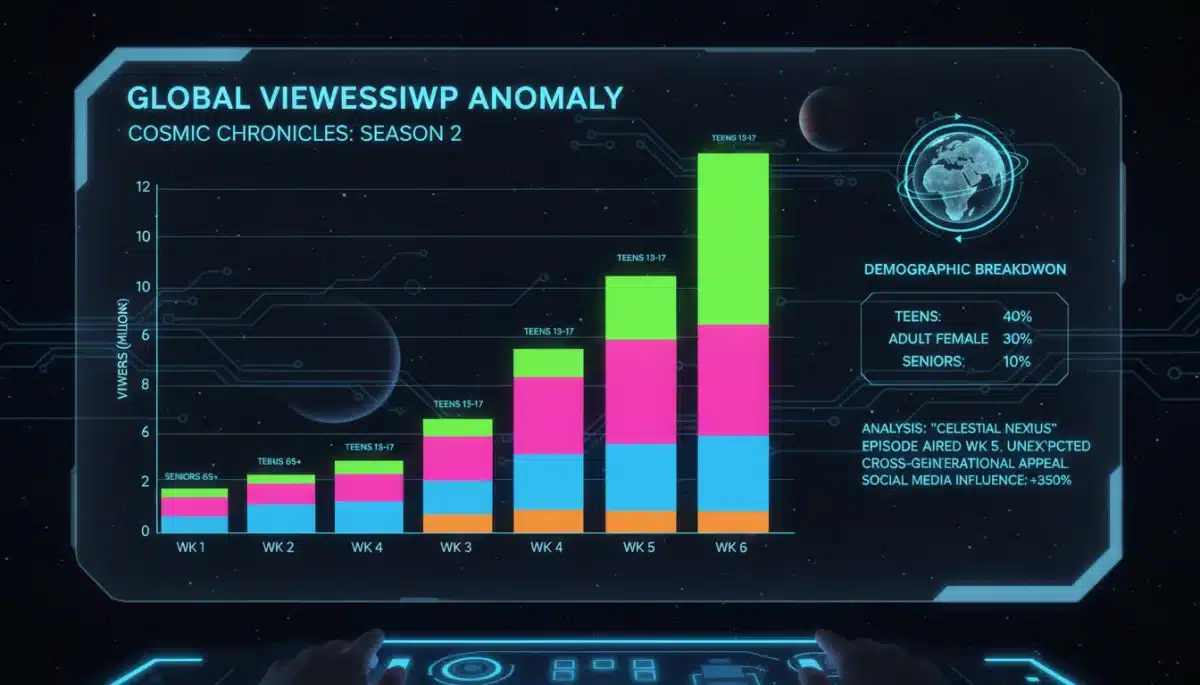
The growth of hybrid viewing models means that a show’s success isn’t solely defined by its live broadcast numbers anymore.
Its life on streaming platforms can extend its reach and generate long-term value, influencing the TV Show Renewal Metrics.
Executives are increasingly looking at how a show performs during its initial streaming window and its evergreen appeal.
This includes monitoring how older seasons perform, indicating a show’s sustained popularity and potential for re-discovery by new audiences.
Cross-Platform Engagement Data
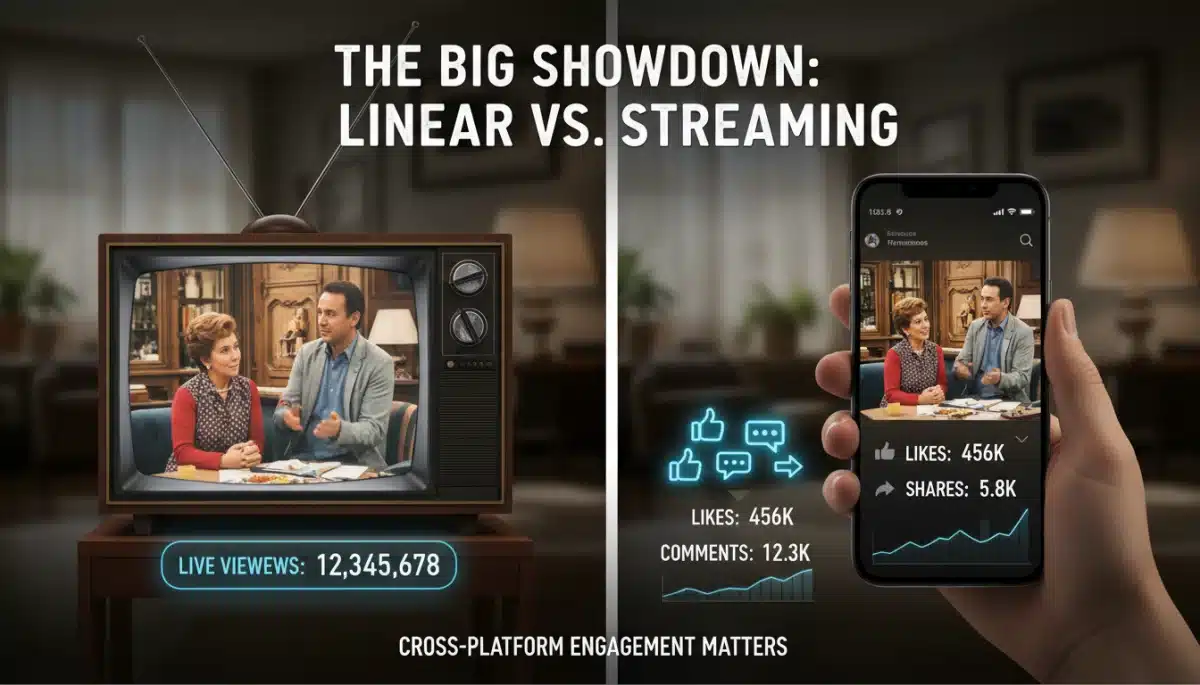
Analyzing cross-platform engagement data offers network TV executives a comprehensive picture of a show’s total reach and impact. This involves tracking viewership across linear, VOD, and streaming platforms, alongside digital interactions.
Metrics such as unique viewers across all platforms, total hours streamed, and the conversion of linear viewers to streaming subscribers are now crucial.
This provides a detailed understanding of how audiences interact with content in a fragmented media landscape.
The ability to quantify a show’s overall footprint, rather than just isolated metrics, empowers more informed renewal decisions. This represents a significant evolution in the TV Show Renewal Metrics used by network executives.
- Total Viewership Across Ecosystems: Combined reach across linear, VOD, and streaming.
- Subscriber Acquisition Impact: How a show drives new sign-ups for affiliated streaming services.
- Churn Reduction: A show’s effectiveness in keeping existing subscribers engaged.
- Digital Content Consumption: Tracking views and engagement on clips, trailers, and supplementary content.
Social Media Buzz and Cultural Impact
In the digital age, social media buzz and cultural impact are indispensable TV Show Renewal Metrics. A show’s ability to generate significant online conversation, trends, and fan engagement often translates into real-world influence and brand value.
Network TV executives closely monitor hashtags, mentions, sentiment analysis, and the creation of fan communities.
A show that becomes a cultural phenomenon, even with moderate ratings, can offer immense promotional value and attract new viewers over time.
This organic marketing through social channels is highly coveted, as it represents authentic audience investment and enthusiasm.
It provides a qualitative measure of a show’s resonance that traditional ratings often miss, influencing renewal decisions.
The viral potential of a show can significantly extend its lifespan and appeal. Executives now recognize that a passionate, vocal fanbase can be a powerful asset, driving awareness and maintaining relevance in a crowded market.
It’s not just about the volume of conversation, but also the quality and sentiment.
Positive social media engagement indicates a show is connecting deeply with its audience, creating a loyal following that can be crucial for long-term success and future seasons.
Audience Sentiment and Online Discussion
Understanding audience sentiment and the nature of online discussions provides network TV executives with invaluable qualitative data.
Tools for sentiment analysis help gauge public perception and identify specific storylines or characters that resonate most strongly.
Beyond mere volume, the depth and passion of online discussions signal a highly engaged audience.
Fan theories, elaborate discussions, and fan-created content demonstrate a show’s ability to transcend passive viewing and become a significant part of viewers’ lives.
This level of engagement suggests a strong emotional connection, which can be a key differentiator when executives evaluate the long-term viability and cultural footprint of a series.
These insights are vital for understanding the true impact of a show.
- Hashtag Trending: A show’s ability to consistently trend on social media platforms.
- Fan Community Growth: The expansion of active online forums, groups, and fan pages.
- Influencer Engagement: Mentions and positive reviews from prominent social media figures.
- Sentiment Analysis Scores: Quantifying positive, negative, and neutral reactions to content.
Critical Acclaim and Awards Recognition
While often seen as a bonus, critical acclaim and awards recognition are increasingly important TV Show Renewal Metrics.
Prestigious awards like Emmys and Golden Globes elevate a show’s profile, attract top talent, and boost its perceived quality.
Such accolades can provide a halo effect, drawing in new viewers who might have overlooked the show initially. They also signal to the industry and the public that the network is committed to high-quality, impactful storytelling.
For network TV executives, a critically acclaimed show, even if it doesn’t always hit the highest ratings, can be a valuable asset for brand prestige and attracting premium advertising.
It enhances the network’s reputation for producing quality content.
The prestige associated with awards can also be leveraged in international markets, helping to secure lucrative distribution deals.
This global appeal adds another layer of financial viability to a show, making it more attractive for renewal.
Furthermore, critical praise can foster a loyal and engaged audience that values sophisticated storytelling, even if that audience is smaller than a mass-market hit. This niche but dedicated viewership can be very attractive to certain advertisers.
Impact on Network Brand and Talent Attraction
The impact of critical acclaim extends beyond individual shows to the overall network brand and its ability to attract top talent. A network known for award-winning programming becomes a desirable home for creators and actors.
This reputation can lead to a virtuous cycle, where quality programming attracts more quality talent, further enhancing the network’s prestige.
For network TV executives, this long-term strategic advantage is a significant factor in renewal discussions.
Maintaining a strong brand image through critically lauded shows helps differentiate a network in a crowded media landscape. This strategic positioning is a key component of the TV Show Renewal Metrics in 2026.
- Prestige Factor: Enhancing the network’s reputation for quality and innovation.
- Talent Magnet: Attracting top writers, directors, and actors to future projects.
- Industry Buzz: Generating positive word-of-mouth within the entertainment sector.
- International Sales Potential: Boosting a show’s marketability in global distribution.
Financial Viability and Production Costs
Ultimately, financial viability and production costs play a decisive role in whether network TV executives renew or cancel a show.
Even critically acclaimed shows with strong viewership can be canceled if they become too expensive to produce relative to their revenue generation.
Executives meticulously analyze budget-to-revenue ratios, considering licensing fees, talent salaries, and production overhead.
A show’s ability to deliver a strong return on investment, or at least break even, is paramount for its continued existence.
Negotiations over talent contracts and production logistics often dictate the feasibility of another season.
This hard economic reality means that even beloved shows can face the axe if the numbers don’t align with financial projections.
The escalating costs of high-quality production, coupled with competitive talent markets, continually challenge networks.
This necessitates a rigorous financial review for every show, making it a crucial component of the TV Show Renewal Metrics.
Networks are increasingly looking for efficiencies and creative ways to manage budgets without sacrificing quality.
This includes exploring co-production deals or international partnerships to mitigate financial risk and ensure a show’s long-term sustainability.
Return on Investment (ROI) Analysis
A thorough Return on Investment (ROI) analysis is a non-negotiable metric for network TV executives. This involves calculating the direct and indirect revenues generated by a show against its total production and marketing costs.
Direct revenues include advertising sales and licensing fees, while indirect benefits might encompass subscriber acquisition for streaming platforms or enhanced network brand value. A positive or projected positive ROI is a strong indicator for renewal.
This financial scrutiny ensures that every renewal decision is grounded in economic reality, balancing creative ambition with fiscal responsibility. The ROI analysis is a comprehensive measure of a show’s financial health and its value to the network.
- Cost-Benefit Ratio: Evaluating the financial efficiency of a show’s production.
- Budget Escalation: Monitoring increasing costs per season, especially for talent.
- Ancillary Revenue Streams: Income from merchandise, syndication, and international sales.
- Long-Term Value: Assessing a show’s potential to generate revenue over multiple years.
| Key Metric | Brief Description |
|---|---|
| Linear Viewership | Traditional Nielsen ratings (Live+SD, L+3, L+7) and key demographic performance. |
| Streaming Performance | Subscriber acquisition, retention, and total hours streamed on network platforms. |
| Social Media Buzz | Online engagement, sentiment, trending topics, and cultural impact. |
| Financial Viability | Production costs vs. revenue generation and overall Return on Investment. |
Frequently Asked Questions About TV Show Renewals
Linear ratings, particularly in key demographics, remain highly significant for network TV executives. While streaming gains importance, consistent traditional viewership directly impacts advertising revenue, a primary funding source for networks. Strong linear performance often indicates a stable and engaged broadcast audience.
Streaming performance is now a critical primary metric. Network TV executives assess how a show drives subscriber acquisition, enhances retention, and generates total hours streamed on affiliated platforms. It reflects a show’s ability to provide long-term value in a hybrid media landscape.
Yes, significant social media buzz and cultural impact can indeed influence renewal, even with moderate linear ratings. Strong online conversation, positive sentiment, and dedicated fan communities provide valuable organic marketing and demonstrate a show’s deep audience connection, which executives consider a valuable asset.
Production costs are a decisive factor. Even popular shows can be canceled if they become too expensive relative to their revenue generation. Network TV executives conduct rigorous ROI analysis, balancing creative quality with financial viability to ensure a sustainable return on investment for the network.
The 18-49 age demographic remains the most crucial for advertisers on network TV. Shows performing strongly within this group command higher advertising rates, making their appeal to these specific viewers a significant determinant in renewal decisions, directly impacting a show’s financial value.
Looking Ahead: The Evolving Calculus of TV Success
The insights into Insider Knowledge: The 4 Key Metrics Network TV Executives Use to Renew or Cancel Shows in 2026 reveal a complex, data-driven decision-making process.
As the media landscape continues its rapid evolution, these metrics will undoubtedly adapt further, placing an even greater emphasis on cross-platform performance and audience engagement.
What happens now involves a constant recalibration by network TV executives, seeking to balance traditional advertising models with the burgeoning opportunities and challenges of the digital age.
The interplay between viewership, engagement, critical acclaim, and financial prudence will remain at the core of every renewal or cancellation.
For a deeper understanding of the evolving methodologies used to gauge multi-platform demand and global longevity, reviewing this analysis on what’s behind a show renewal highlights how alternative data streams dictate corporate decisions.
Audiences and creators alike should monitor these evolving benchmarks closely, as they offer the most direct window into the future of television content.
The industry’s strategic shifts will continue to redefine what constitutes a successful show.