Cable Original Cancellations Q1 2026: Studio Financial Impact

Widespread content cutbacks are forcing legacy media networks to rethink traditional monetization models.
The Financial Impact of Cable Original Cancellations in Q1 2026: A Studio Analysis examines how major studios are navigating lost linear revenues, renegotiating talent contracts, and reallocating production capital toward profitability in a streaming-first landscape.
Understanding the Shift: Why Cable Originals Are Being Cancelled
The landscape of television consumption has undergone a seismic transformation over the past decade, driven primarily by the proliferation of streaming services.
This fundamental shift in viewer habits has directly impacted the economic viability of traditional cable original programming, leading to a wave of cancellations.
Audiences increasingly prefer on-demand content, personalized viewing experiences, and ad-free options, a model that cable struggles to replicate effectively.
This erosion of the traditional cable subscriber base directly translates to diminished advertising revenue and affiliate fees for networks, making expensive original productions unsustainable.
Studios, once reliant on cable networks for consistent content commissions, are now redirecting their resources.
They are prioritizing investments in direct-to-consumer streaming platforms, where they can capture subscriber data, control distribution, and potentially achieve higher profit margins, fundamentally altering the financial impact of cable original cancellations.
Direct Revenue Loss and Budgetary Reallocations
The immediate consequence of cable original cancellations for studios is a direct loss of revenue from licensing fees and production budgets provided by cable networks.
These cancellations force studios to absorb costs associated with halted productions, including severance for cast and crew, and write-downs on unamortized assets.
This financial hit necessitates significant budgetary reallocations.
Funds previously earmarked for cable-specific projects are now being diverted towards developing content for in-house streaming platforms or for sale to third-party streamers, fundamentally altering studio investment portfolios.
Studios must meticulously analyze their content pipeline, identifying which projects can be repurposed for other platforms and which represent sunk costs.
This strategic financial review is crucial for mitigating the negative financial impact of cable original cancellations and maintaining fiscal stability.
Impact on Production Pipelines
The cancellation wave creates significant disruption in studio production pipelines, leading to a backlog of unproduced scripts and idle production facilities.
This requires studios to quickly pivot their development strategies to align with the demands of the streaming market.
Studios are now focusing on creating content with broad appeal and global potential, suitable for a diverse streaming audience.
The emphasis has shifted from niche cable audiences to mass-market engagement, demanding different storytelling approaches and production scales.
- Shift from linear scheduling to binge-watching models.
- Increased demand for high-quality, serialized dramas and documentaries.
- Greater emphasis on intellectual property (IP) that can be extended into franchises.
Talent Migration and Contractual Implications
A significant aspect of the financial impact of cable original cancellations in Q1 2026 involves the migration of creative talent from cable-focused projects to streaming platforms.
Writers, directors, actors, and showrunners are increasingly seeking opportunities with streamers, where budgets can be larger and creative freedom often perceived as greater.
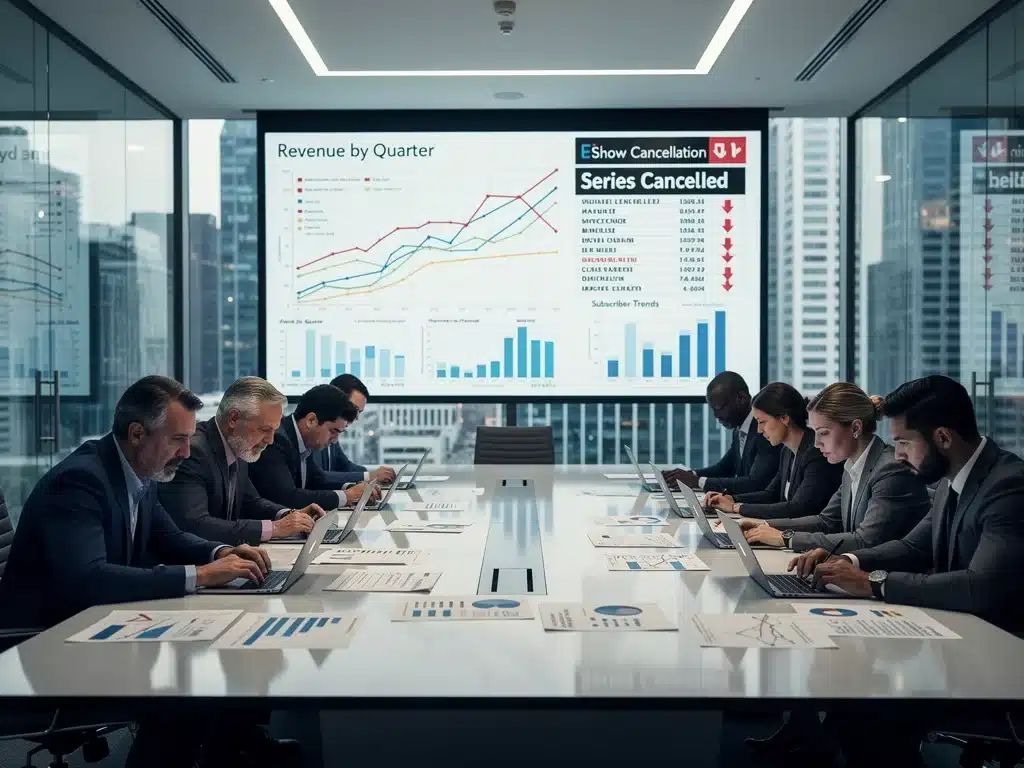
Studios face complex contractual implications when cable shows are cancelled.
Negotiating early termination clauses, managing outstanding talent deals, and settling union agreements become paramount to avoid costly legal disputes and maintain good industry relations.
The competitive landscape for top-tier talent has intensified, with streaming giants offering lucrative deals and long-term commitments.
This drives up talent acquisition costs for studios, even as traditional revenue streams from cable diminish, further impacting the financial health of the industry as a direct result of the financial impact of cable original cancellations.
Rethinking Talent Acquisition
Studios are actively redefining their talent acquisition strategies to align with the new streaming-centric ecosystem.
This involves not only attracting established names but also cultivating emerging talent capable of producing content for a global digital audience.
Long-term deals and overall package agreements, rather than per-project contracts, are becoming more common to secure key creatives.
Studios are also investing in in-house development labs and incubator programs to nurture new ideas and talent specifically for their streaming ventures.
- Focus on creators with proven success in digital content.
- Offering attractive backend deals and creative control.
- Investing in diverse voices to appeal to broader audiences.
The Rise of Streaming and Vertical Integration
The financial impact of cable original cancellations is intrinsically linked to the accelerated rise of streaming services and the industry trend towards vertical integration.
Major studios are no longer content to simply license their content; they want to own the entire value chain from production to distribution.
This vertical integration allows studios to retain intellectual property, control subscriber relationships, and leverage data analytics to inform future content decisions.
By directly engaging with consumers, they aim to build robust ecosystems that reduce reliance on third-party distributors like cable networks.
The shift to streaming represents both a challenge and an opportunity.
While it requires significant upfront investment in technology and content, it promises greater long-term control and potentially higher profitability, fundamentally reshaping the financial impact of cable original cancellations on studio bottom lines.
Investor Confidence and Market Perceptions
Investor confidence is a crucial factor influencing how studios navigate the current climate of cable original cancellations.
Wall Street and other financial markets are closely scrutinizing studio strategies for adapting to the streaming era, looking for clear paths to profitability and sustainable growth.
Studios that effectively articulate their vision for content creation and distribution in the digital age tend to maintain stronger investor support.
Conversely, those perceived as lagging in their transition or suffering significant financial setbacks from cancellations may see their valuations decline.
The narrative surrounding the financial impact of cable original cancellations in Q1 2026 is therefore not just about balance sheets, but also about market perception and future growth potential.
Transparent communication with stakeholders about strategic pivots is essential.
Analyzing Q1 2026 Projections
As Q1 2026 approaches, financial analysts are issuing revised projections for major studios, taking into account the wave of cable original cancellations.
These projections often highlight increased spending on streaming content coupled with potential short-term dips in traditional revenue.
The focus is shifting towards subscriber growth metrics, average revenue per user (ARPU), and content engagement on streaming platforms as key indicators of success.
Traditional metrics like linear ratings are becoming less relevant in this evolving financial landscape.
- Expected increases in streaming content budgets.
- Potential short-term revenue volatility from traditional sources.
- Emphasis on long-term subscriber value and global reach.
The Role of Data Analytics in Content Strategy
In the wake of the financial impact of cable original cancellations, data analytics has become an indispensable tool for studios in shaping their content strategies.
Understanding viewer behavior, genre preferences, and completion rates on streaming platforms provides invaluable insights.
Studios are leveraging this data to make more informed decisions about greenlighting new projects, renewing existing ones, and even tailoring marketing campaigns.
This data-driven approach aims to minimize risk and maximize the return on increasingly expensive content investments.
The ability to precisely target audiences and measure engagement allows studios to optimize their content portfolios, moving away from broad, speculative commissions towards more data-backed productions.
This precision is critical for navigating the new economic realities created by the financial impact of cable original cancellations.
Diversification and Global Market Expansion
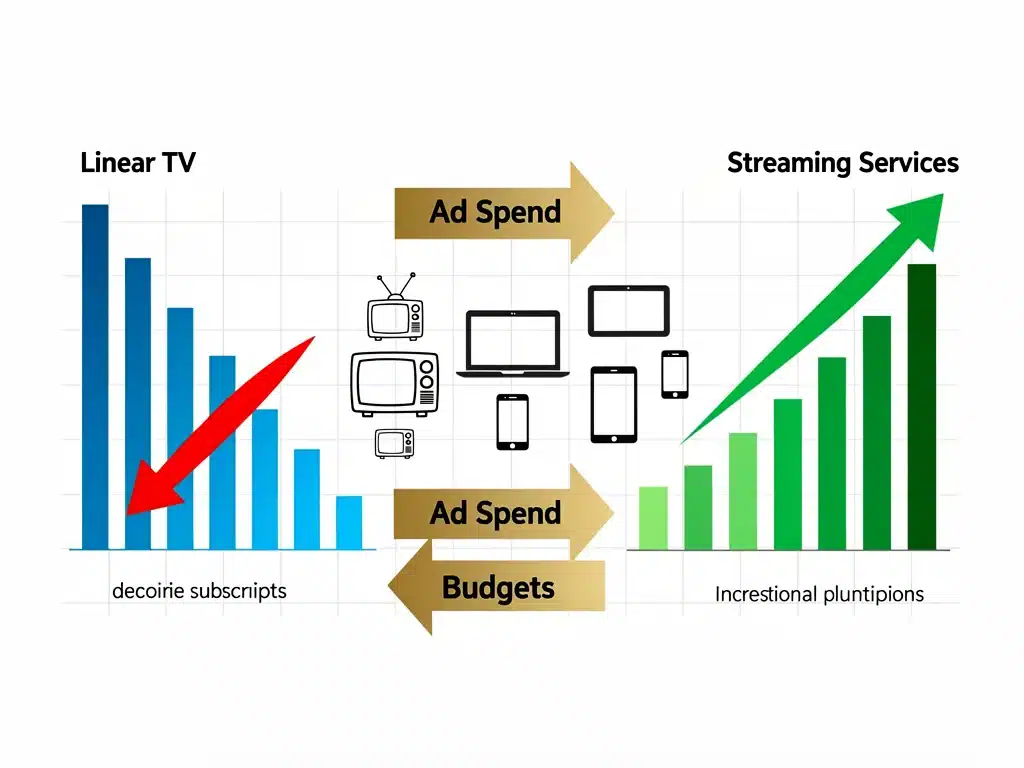
To mitigate the financial impact of cable original cancellations, studios are aggressively pursuing diversification strategies and expanding into global markets.
Producing content for international audiences not only broadens potential viewership but also opens up new revenue streams through global licensing deals and direct international subscriptions.
Many studios are establishing production hubs in key international territories, enabling them to create localized content that resonates with diverse cultures.
This global approach helps to offset losses from declining domestic cable revenues and tap into rapidly growing digital markets worldwide.
The emphasis is on creating universally appealing narratives that can transcend linguistic and cultural barriers, often leveraging local talent and stories.
This global outlook is now a cornerstone of studio financial planning in the post-cable era, directly addressing the challenges posed by the financial impact of cable original cancellations.
Challenges and Opportunities for Independent Production Houses
Independent production houses face a mixed bag of challenges and opportunities stemming from the financial impact of cable original cancellations.
While the traditional avenue of cable network commissions is shrinking, the boom in streaming content creates new potential buyers and collaborators.
Independents must adapt quickly, focusing on developing high-quality, marketable content that appeals to streaming platforms’ specific needs for diverse libraries.
Building strong relationships with streaming executives and understanding their content mandates is more crucial than ever.
The opportunity lies in filling the demand for unique, innovative stories that larger studios might overlook, or in partnering on co-productions.
However, securing financing and navigating the complex deal-making landscape of the streaming world remains a significant hurdle for many, especially given the financial impact of cable original cancellations.
| Key Point | Brief Description |
|---|---|
| Revenue Shift | Decline in cable licensing fees, increase in streaming investment. |
| Content Strategy | Focus on global appeal, data-driven decisions, and IP ownership. |
| Talent Market | Migration of talent to streaming, rising acquisition costs for studios. |
| Market Perception | Investor confidence tied to successful transition to digital models. |
Frequently Asked Questions About Cable Original Cancellations
The primary driver is the accelerating shift in consumer viewing habits towards streaming platforms. This leads to declining cable subscriptions, reduced advertising revenues for cable networks, and a subsequent decrease in their capacity to fund expensive original programming. Studios are responding by reallocating resources.
Studios face direct revenue loss from licensing fees and production budgets. They also incur costs from halted productions, including severance and asset write-downs. This necessitates significant budgetary reallocations towards streaming content development, impacting their quarterly financial statements and long-term investment strategies.
Yes, significant opportunities exist in the booming streaming market. Studios can leverage vertical integration to control content distribution, utilize data analytics for informed content decisions, and expand into global markets. This allows for greater control over intellectual property and potentially higher long-term profitability, offsetting the financial impact of cable original cancellations.
Creative talent is increasingly migrating from cable-focused projects to streaming platforms. While this offers new opportunities, it also intensifies competition for top talent and drives up acquisition costs for studios. Talent must adapt to new storytelling formats and production demands inherent in the digital streaming landscape.
Investors are closely monitoring studio strategies for adapting to the streaming era. Companies demonstrating clear, profitable paths in digital content and effective mitigation of losses from cable cancellations tend to maintain stronger investor confidence. Market perception heavily influences valuations in this evolving media landscape.
Perspectives on the Evolving Media Landscape
The financial impact of cable original cancellations in Q1 2026 serves as a stark reminder of the entertainment industry’s rapid evolution.
Studios are actively recalibrating their business models, embracing streaming as the dominant distribution channel and content driver.
This shift is not merely a trend but a fundamental restructuring of how content is created, funded, and consumed.
For broader context on consumer migration and structural shifts in traditional media distribution, view the market analysis on U.S. cable provider subscriber trends by Parks Associates.
Moving forward, the industry will likely see continued consolidation, innovative content financing models, and an intensified battle for subscriber attention.
The ability of studios to adapt swiftly, leverage data effectively, and cultivate global audiences will determine their success in this new era, mitigating the ongoing financial impact of cable original cancellations.
Stakeholders should closely monitor quarterly earnings reports, content slate announcements, and strategic partnerships as key indicators of how studios are navigating this transformative period.
The financial impact of cable original cancellations is an ongoing narrative, demanding continuous analysis and adaptation from all players.