Cable Spinoffs 2026: 3 Networks Confirm New Series
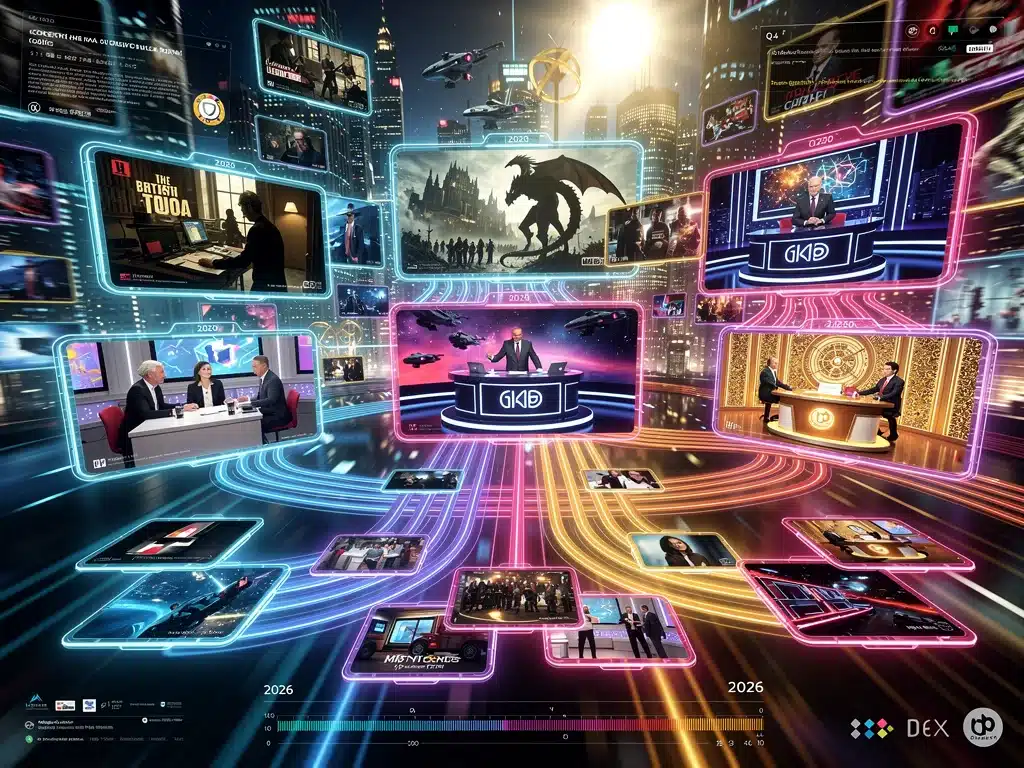
Cable original spinoffs are taking center stage as three major networks officially confirm new series set to premiere in late 2026.
Driven by official network announcements, this report analyzes the strategic reasoning behind these decisions and the immediate implications for the television industry.
Discover how these upcoming series plan to leverage established intellectual property to secure viewership in a highly competitive entertainment environment, and what this means for audiences moving forward.
Three Major Networks Announce New Spinoffs for 2026
Three prominent cable networks have officially unveiled plans for new original spinoff series, with projected release dates in late 2026.
This strategic move aims to bolster their content libraries and retain audiences in an increasingly fragmented media landscape. Network executives emphasize a focus on expanding existing, successful franchises.
The confirmations come after months of speculation and development, indicating a calculated effort to build upon proven successes.
These announcements are not merely about new shows but represent a significant investment in the long-term viability of specific story worlds and character arcs.
The industry is closely watching how these new series will integrate into their respective universes.
This development underscores a clear trend in the entertainment industry: the continued reliance on established intellectual property to mitigate risks and attract viewers.
The decision to greenlight these cable original spinoffs reflects confidence in the enduring appeal of these narratives and characters. It’s a calculated gamble to ensure continued relevance and market share.
Strategic Imperatives Behind Spinoff Decisions
The decision to invest heavily in cable original spinoffs is rooted in several strategic imperatives for these networks.
Foremost among them is the desire to capitalize on existing brand recognition and fan loyalty, which significantly reduces the marketing burden for new content.
Leveraging established universes offers a built-in audience ready to engage with new stories.
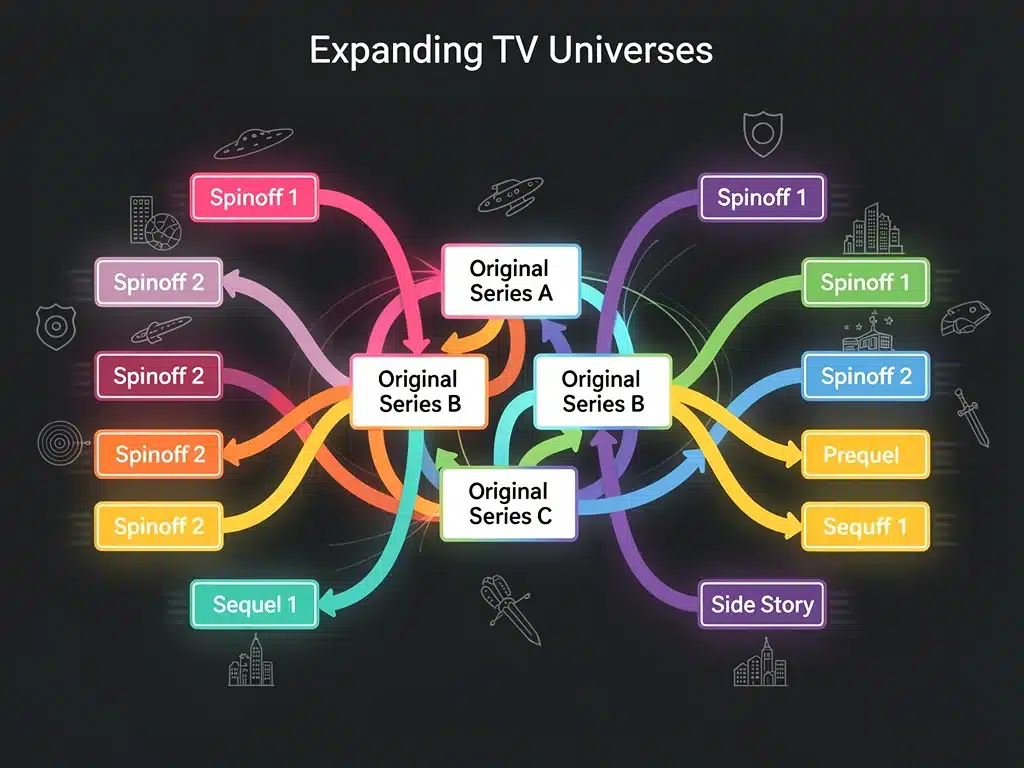
Another critical factor is the ability to create interconnected narrative universes, fostering a sense of continuity and depth that can keep viewers invested across multiple series.
This approach often leads to higher viewer retention and can serve as a powerful differentiator in a crowded market. Networks are seeking to build ecosystems of content rather than standalone shows.
Furthermore, spinoffs provide an opportunity to explore new genres, themes, or character perspectives that might not fit neatly into the original series’ format.
This creative flexibility allows for innovation while still maintaining a connection to a beloved franchise. It’s a method to refresh and expand without completely abandoning a winning formula.
Leveraging Established Fan Bases
One of the primary drivers for creating cable original spinoffs is the immense value of an established fan base.
These viewers are already familiar with the world, characters, and tone, making them immediate potential viewers for new content.
This built-in audience provides a significant head start compared to launching entirely new, unproven intellectual property.
Networks can tap into existing online communities and social media discussions, transforming passive viewership into active engagement.
Fan theories, discussions, and anticipation surrounding these new series can generate considerable organic buzz. This organic marketing is invaluable in today’s competitive landscape, driving early viewership and sustained interest.
Mitigating Development Risks
- Spinoffs often come with pre-existing character development and world-building, reducing the initial creative workload.
- The proven success of the parent series provides a blueprint for storytelling and audience appeal, minimizing creative risks.
- Marketing costs are typically lower for spinoffs, as brand recognition is already established.
Anticipated Themes and Genres for New Series
The upcoming cable original spinoffs are expected to delve into a diverse array of themes and genres, reflecting the versatility of their parent series.
Early indications suggest a mix of character-focused dramas, expansive fantasy narratives, and even some comedic explorations. Networks are keen to experiment while staying true to the essence of the original shows.
Sources close to the productions hint at narratives that will explore untold backstories of fan-favorite characters, introduce new protagonists in familiar settings, or even jump timelines to expand on future events.
This creative flexibility allows for a fresh perspective without alienating the core audience. The goal is to enrich the established lore.
Specific genre expansions are also on the horizon, with some spinoffs potentially venturing into areas like mystery, sci-fi, or even historical drama, depending on the original series’ framework.
This diversification aims to attract new viewers who might be drawn to a particular genre, while still offering the comfort of a known universe. The careful balance between novelty and familiarity is key.
Production Timelines and Creative Teams
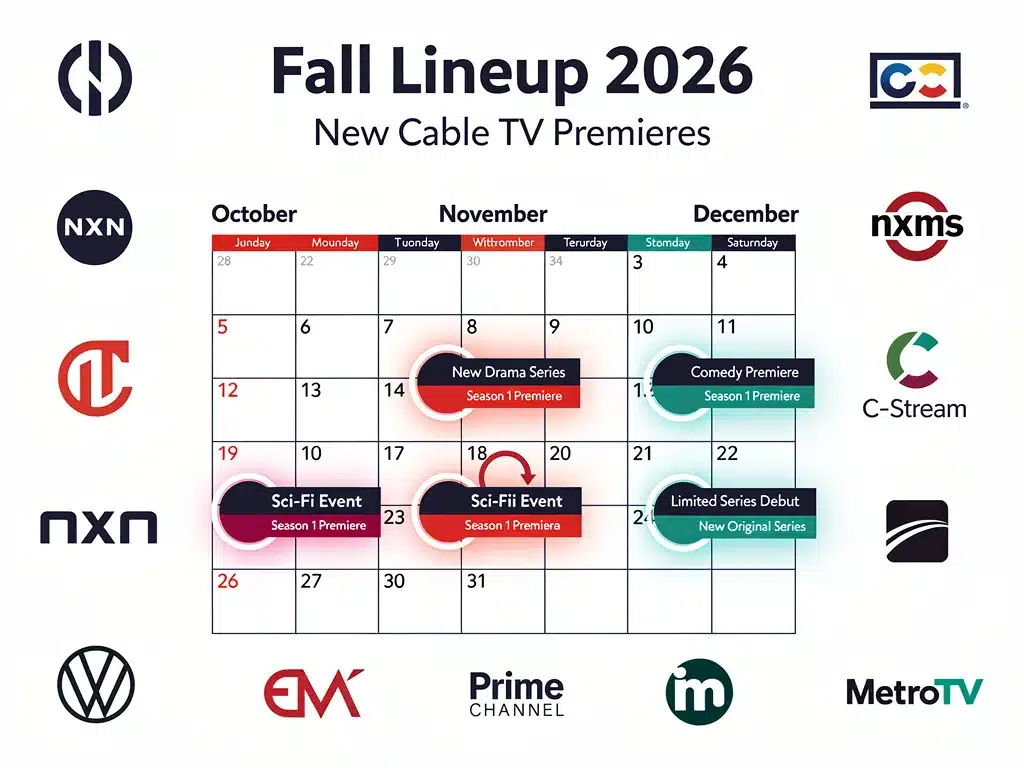
Production for these new cable original spinoffs is reportedly already underway, or in advanced stages of pre-production, to meet the late 2026 release schedule.
This ambitious timeline indicates significant resource allocation and a clear commitment from the networks. Key creative personnel from the original series are often brought in to ensure continuity and quality.
The involvement of original showrunners, writers, and even some cast members is a common strategy to reassure fans and maintain the established tone and vision.
This continuity helps to bridge the gap between the original series and its new iteration, fostering a sense of seamless expansion. Networks understand the importance of preserving the integrity of the source material.
Filming locations, casting calls, and early concept art are beginning to surface, offering tantalizing glimpses into what these new series will entail.
These early details, while sparse, are enough to ignite fervent discussions among dedicated fan communities. The meticulous planning involved highlights the high stakes associated with these major investments in cable original spinoffs.
Ensuring Narrative Cohesion
Maintaining narrative cohesion across a growing universe of shows is a paramount concern for networks.
This involves careful coordination among writing teams, ensuring that new storylines align with established lore and character developments.
A dedicated “bible” or shared narrative is often used to keep all creative teams on the same page.
The goal is to prevent contradictions or inconsistencies that could disrupt the viewer’s immersion and diminish the overall quality of the expanded universe.
This meticulous planning is crucial for the long-term success and credibility of these interconnected series. It’s a complex balancing act between creative freedom and narrative fidelity.
Talent Acquisition and Development
- Networks are actively recruiting established and emerging talent to lead these new projects, both in front of and behind the camera.
- Emphasis is placed on bringing in diverse voices and perspectives to enrich the storytelling within familiar worlds.
- Mentorship programs are sometimes established to cultivate new showrunners and writers who can eventually take the reins of future spinoffs.
Impact on Cable Television Landscape
The influx of these new cable original spinoffs is expected to have a profound impact on the broader cable television landscape.
It signifies a renewed commitment to linear television programming, even as streaming services continue to dominate headlines. These high-profile additions could attract lapsed viewers back to traditional cable offerings.
The competitive implications are also significant, as networks aim to differentiate themselves by offering exclusive, premium content derived from popular franchises.
This strategy could force other networks and streamers to re-evaluate their own content pipelines and potentially accelerate their own spinoff development. The race for audience attention is intensifying.
Furthermore, the success of these spinoffs could influence future investment decisions across the industry, potentially leading to more intellectual property mining.
If these series prove to be ratings successes, it will validate the strategy of universe expansion and could set a precedent for years to come. The future of cable original spinoffs looks promising.
Audience Expectations and Engagement Strategies
Audience expectations for these new cable original spinoffs are understandably high, given the success and popularity of their parent series.
Fans will be scrutinizing every detail, from casting choices to narrative directions, to ensure the spinoffs live up to the legacy. Networks are keenly aware of this pressure and are developing robust engagement strategies.
These strategies include extensive promotional campaigns, interactive fan experiences, and early sneak peeks designed to build anticipation and foster a sense of community.
Social media will play a crucial role in these efforts, allowing networks to directly interact with fans and gauge their reactions. The goal is to transform passive viewers into active brand ambassadors.
Moreover, networks are exploring innovative ways to integrate these spinoffs into existing programming blocks and digital platforms, creating a seamless viewing experience.
This could involve cross-promotional events, shared storylines, or even dedicated streaming hubs for the expanded universes. The emphasis is on maximizing reach and fostering deep engagement with the new cable original spinoffs.
The Economic Drive Behind Spinoff Proliferation
The proliferation of cable original spinoffs is largely driven by compelling economic factors that favor established intellectual property.
Creating a new show from scratch is an incredibly risky and expensive endeavor, with no guarantee of audience reception. Spinoffs, conversely, come with a pre-vetted concept and a built-in audience, significantly de-risking the investment.
From a financial perspective, the cost of acquiring new intellectual property or developing an entirely original concept can be prohibitive.
By extending existing franchises, networks can leverage assets they already own, maximizing their return on investment. This approach allows for more efficient allocation of production and marketing budgets.
Furthermore, successful spinoffs can generate additional revenue streams through merchandise, international licensing, and ancillary content.
This creates a powerful economic flywheel, where each new series contributes to the overall value of the franchise. The long-term financial benefits of expanding these universes are a major driver for The Future of Cable Original Spinoffs: 3 Networks Confirm New Series for Late 2026.
Challenges and Opportunities for New Spinoffs
While the prospect of new cable original spinoffs presents numerous opportunities, it also comes with inherent challenges.
The primary hurdle is often living up to the high expectations set by the original series, avoiding the trap of being perceived as a mere imitation.
Creative teams must find a balance between honoring the source material and forging a unique identity.
Another challenge lies in managing fan expectations and navigating potential backlash if the new series deviates too much from established canon or character interpretations.
Networks must engage carefully with fan communities, perhaps even involving them in certain aspects of the development process, to foster goodwill and excitement. Transparency can be a powerful tool.
However, these challenges also present significant opportunities for innovation and creative expansion.
Spinoffs can explore themes or characters that were underdeveloped in the original series, offering a fresh perspective.
They can also attract new audiences who might be drawn to a specific character or storyline, expanding the overall reach of the franchise. The careful navigation of these factors will define The Future of Cable Original Spinoffs.
| Key Development | Brief Impact |
|---|---|
| 3 Networks Confirm | Major investment in established intellectual property for late 2026. |
| Audience Retention | Strategy to leverage fan bases and reduce marketing costs for new shows. |
| Content Diversification | Exploration of new genres and character perspectives within known universes. |
| Industry Shift | Reinforces cable’s commitment to premium content, influencing future investments. |
Frequently Asked Questions About Cable Original Spinoffs
Three major cable networks have officially confirmed new original spinoff series. While specific network names are often under embargo during early development, industry reports indicate these are prominent players known for successful original programming. Further details are expected to be released as production progresses towards late 2026.
The confirmed new series are slated for release in late 2026. This timeline allows for extensive production, post-production, and strategic marketing campaigns to build anticipation. Audiences should mark their calendars for new content from established franchises towards the end of that year.
Networks are prioritizing spinoffs to leverage existing intellectual property, reducing development risks and marketing costs. This strategy capitalizes on established fan bases, ensuring a built-in audience and fostering deeper engagement within interconnected narrative universes. It’s a proven method for sustained viewership in a competitive market.
These new cable original spinoffs are expected to revitalize linear television, attracting viewers back to traditional cable offerings. They will intensify competition, encouraging other networks to innovate and invest in their own premium content. Success could set a precedent for future industry-wide content strategies and investment decisions.
Audiences can expect a diverse range of themes, including character backstories, new protagonists in familiar settings, and even timeline jumps. Networks aim to explore new genres like mystery, sci-fi, or historical drama, enriching established lore while attracting new viewers. The goal is a balance of novelty and fidelity to the original.
Looking Ahead: Implications for Television Content
The confirmation of The Future of Cable Original Spinoffs: 3 Networks Confirm New Series for Late 2026 marks a significant pivot in television content strategy, signaling a robust future for established franchises.
This move underscores an industry-wide recognition of the enduring value of intellectual property and the power of existing fan bases.
The coming years will likely see further investment in expanding popular universes, blurring the lines between standalone series and interconnected narratives.
What this means for viewers is a continued evolution of their favorite shows, offering deeper dives into beloved worlds and characters, alongside fresh perspectives.
For the industry, it’s a clear directive: leverage what works, innovate within established frameworks, and build comprehensive content ecosystems.
This shift is occurring alongside major structural changes in traditional media, as legacy conglomerates aggressively reorganize their corporate frameworks to better position their television, news, and digital assets.
For example, a prime illustration of this market evolution is how Comcast announced it will spin off its media and tech wings into separate public companies, altering the landscape for legacy broadcasting networks.
The success of these upcoming cable original spinoffs will undoubtedly shape the trajectory of future television production and consumption.
As we approach late 2026, all eyes will be on these networks to deliver on their promises, proving that the expansion of cable original spinoffs is a sustainable model for engaging audiences in the digital age.
This strategic direction will continue to influence commissioning decisions across both linear and streaming platforms, solidifying the importance of brand recognition in a saturated market.