Unlocking 3 Exclusive Product Testing Opportunities: Q2 2026 Fashion
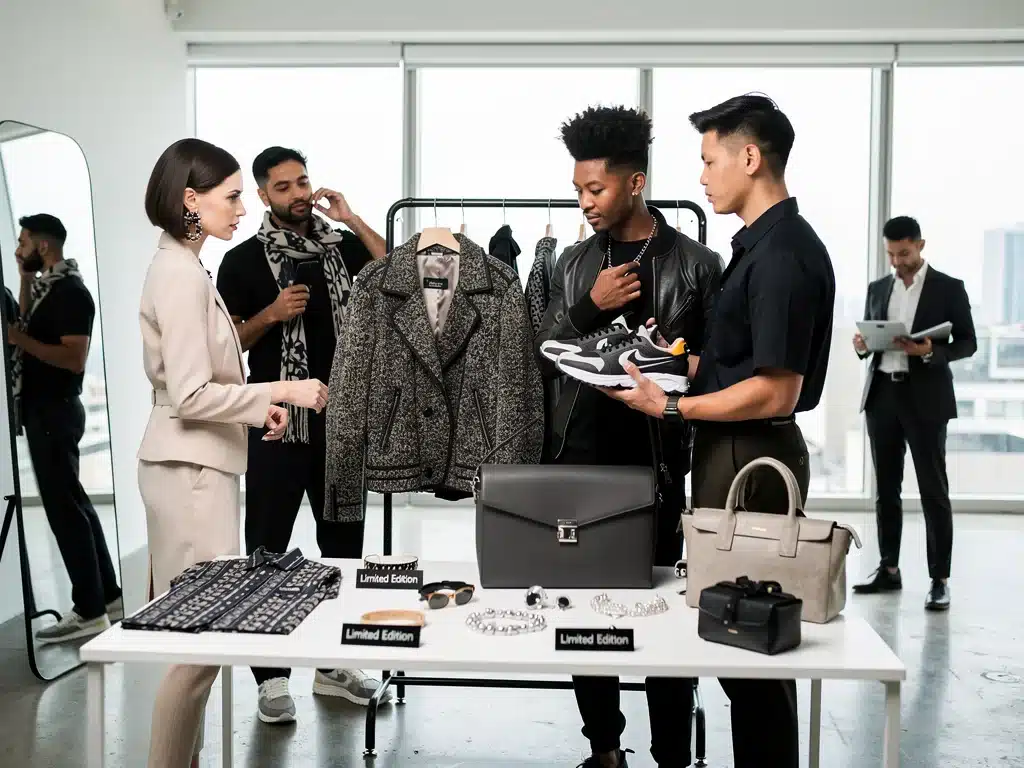
SeasonBonux explores product testing, highlighting how consumer feedback can influence product development, design, and performance.
Fashion brands increasingly use consumer feedback to evaluate new products before broader release. These initiatives may involve apparel, accessories, and sustainable fashion concepts.
Availability, eligibility, participation requirements, and product retention policies can vary by program. Consumers should always review official terms before applying.
3 Product Testing Opportunities for Limited Edition Fashion in Q2 2026
Consumer participation is becoming more relevant in fashion product development, especially when brands want feedback on fit, materials, functionality, and overall appeal.
For Q2 2026, several testing concepts may provide selected participants with access to products before broader market availability.
These programs are generally designed to gather structured feedback that can help brands refine products, identify weaknesses, and better understand consumer preferences.
The Rise of Product Testing in Fashion
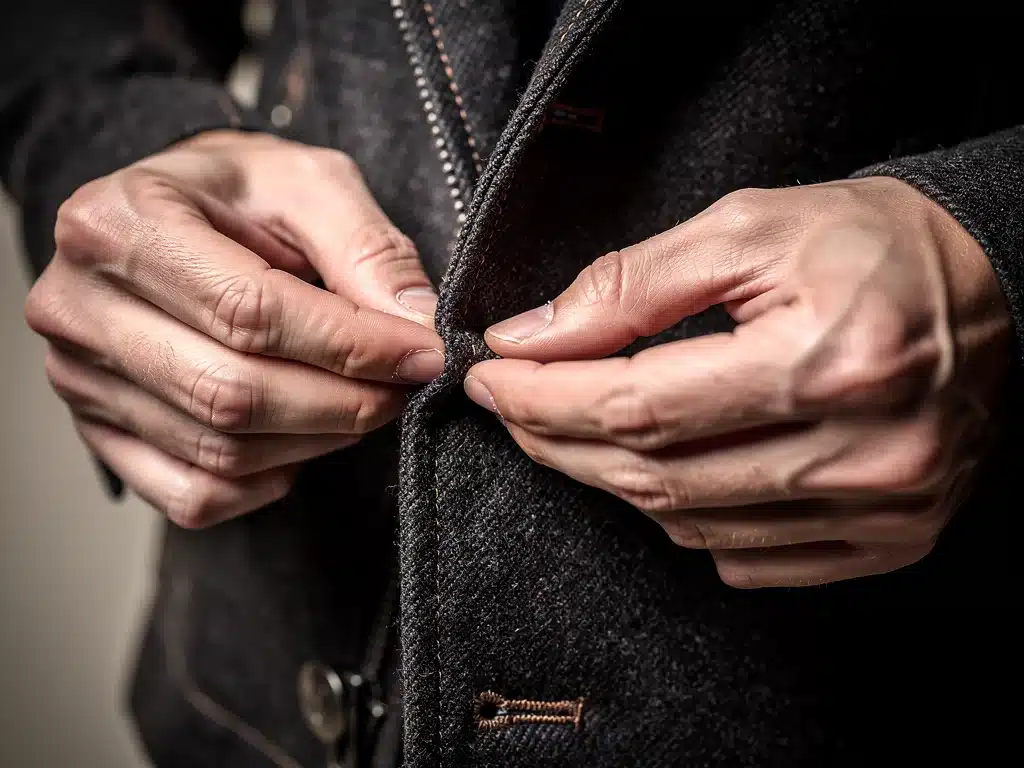
Product testing has expanded beyond technology and consumer goods, with fashion brands increasingly using feedback to evaluate new designs and materials.
Testing can help identify issues related to durability, comfort, fit, usability, and consumer perception before products reach a wider audience.
This approach can also provide brands with practical insights that complement internal design and quality-control processes.
Opportunity 1: Avant-Garde Apparel Testing
An apparel-focused testing program may ask participants to evaluate experimental silhouettes, fabrics, construction methods, and overall wearability.
Feedback may cover fit, comfort, movement, fabric performance, and how garments perform in different everyday or social situations.
Selection criteria can vary, and participation should not be assumed until applicants receive confirmation directly from the program organizer.
Application Process and Criteria
Applications may request basic profile information, fashion preferences, previous testing experience, or examples of constructive product feedback.
Some programs may also consider demographic fit, location, clothing sizes, or other factors relevant to the specific collection being tested.
Applicants should provide accurate information and carefully review eligibility requirements, deadlines, and participation conditions.
- Eligibility: Requirements vary by individual program.
- Application: Participants may need to complete an online form or profile.
- Selection: Acceptance is typically limited and not guaranteed.
Opportunity 2: Artisan Accessory Testing
Accessory testing may focus on products such as bags, jewelry, wallets, or other limited-edition items designed for everyday use.
Participants may evaluate material quality, practicality, comfort, fastening systems, durability, and how easily an item integrates into daily routines.
Detailed feedback can help brands identify design improvements before deciding whether or how to release a product more broadly.
What Testers May Evaluate
Material quality is often a key consideration, especially for products exposed to repeated handling, movement, or everyday wear.
Functionality may include ease of use, storage capacity, comfort, closures, weight, and other practical design features.
Aesthetic feedback can also help brands understand how consumers perceive color, shape, styling, and compatibility with different looks.
- Material Quality: Wear, finish, and durability.
- Functionality: Ease of use and practicality.
- Aesthetic Appeal: Style and overall presentation.
Opportunity 3: Sustainable Streetwear Testing
Sustainable streetwear testing may focus on garments made with recycled, lower-impact, or alternative materials designed for regular urban use.
Participants may assess comfort, breathability, durability, fit, washing performance, and how the garments hold up during daily activities.
Testing can also help brands verify whether sustainability-related product features perform as expected in real-world conditions.
Focus on Sustainability and Performance
Sustainable fashion products need to balance environmental goals with practical factors such as durability, comfort, appearance, and ease of care.
Tester feedback may help brands understand whether alternative materials deliver acceptable performance throughout repeated use and washing.
This information can support improvements in future collections while giving consumers a more active role in product evaluation.
The Impact of Product Testing on Limited Edition Releases
Testing can help brands identify design, material, and usability concerns before a product moves into wider production or distribution.
This can be particularly useful for limited releases, where smaller production volumes may make design errors or customer dissatisfaction more costly.
Consumer feedback can complement internal evaluations and provide a clearer picture of how products perform outside controlled environments.
How to Improve Your Chances of Being Selected
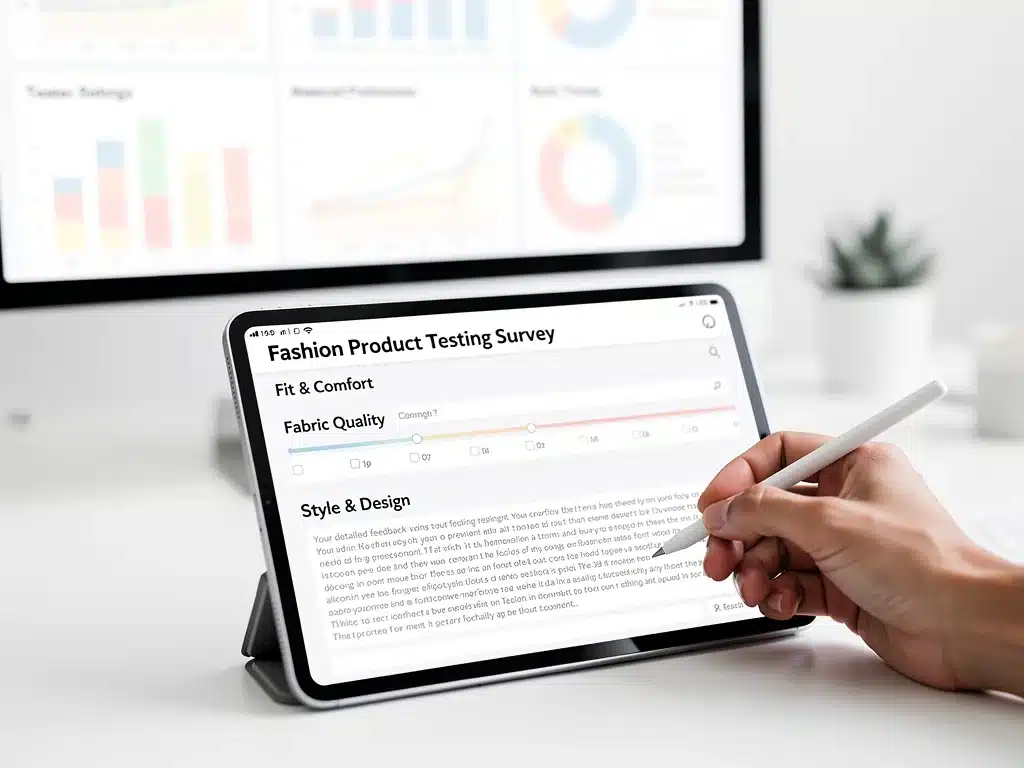
Applicants should provide complete and accurate information while clearly demonstrating that they can offer useful and specific product feedback.
A relevant online presence or demonstrated interest in fashion may help in some programs, although selection criteria differ significantly between brands.
Always tailor applications to the specific program rather than submitting generic responses, and avoid overstating experience or qualifications.
The Future of Consumer-Driven Fashion Innovation
Consumer feedback is likely to remain an important part of fashion research and development as brands seek better insight into real-world product performance.
Digital surveys, virtual focus groups, analytics, and AI-assisted feedback analysis may make testing programs more efficient and scalable.
These tools could allow brands to collect more structured insights while giving selected consumers additional ways to contribute to product development.
| Testing Area | Typical Evaluation |
|---|---|
| Apparel | Fit, comfort, materials, construction, and wearability. |
| Accessories | Durability, functionality, materials, and design. |
| Sustainable Fashion | Performance, durability, comfort, and material claims. |
| Participation | Eligibility, selection, feedback requirements, and program terms. |
Frequently Asked Questions About Fashion Product Testing
Selected participants may have the opportunity to evaluate products and provide feedback before broader release. Specific benefits vary by program.
Complete applications carefully, meet eligibility criteria, and demonstrate an ability to provide detailed and constructive feedback.
It depends on the program. Some may allow product retention, while others may require samples or prototypes to be returned.
Feedback may cover fit, comfort, durability, materials, functionality, design, usability, and overall product experience.
Availability varies. Applicants should always check geographic restrictions and official eligibility requirements before applying.
Looking Ahead: The Role of Consumer Feedback
Consumer feedback can provide fashion brands with practical information that is difficult to capture through internal testing alone.
As testing methods evolve, brands may use a combination of surveys, digital tools, and real-world evaluations to improve product development.
For consumers, the key is to verify each opportunity independently and understand that access, selection, benefits, and product retention are never guaranteed.