Major Film Premieres: Streaming vs. Theatrical Release in 2026
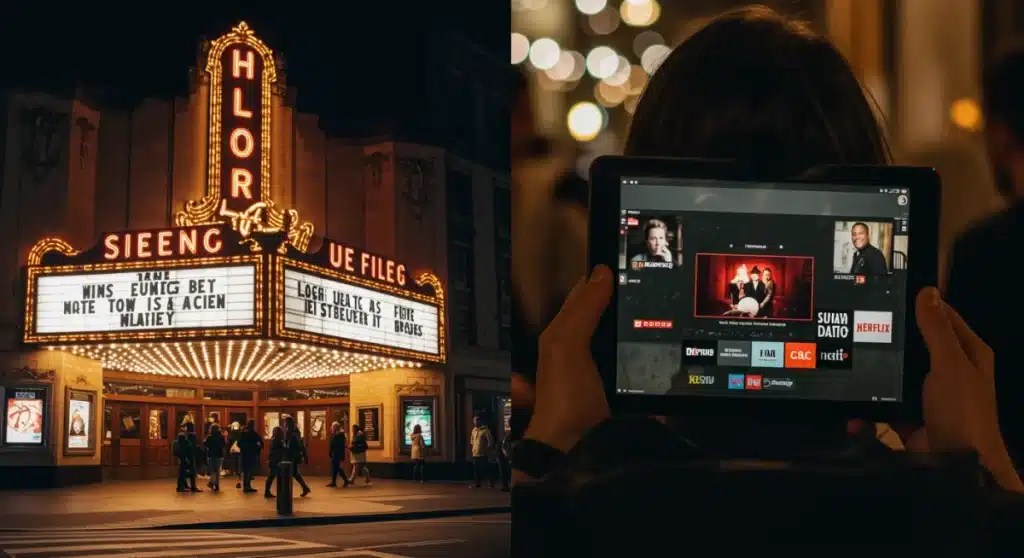
As we enter early 2026, the entertainment industry is closely monitoring four major film premieres to determine which distribution model reigns supreme.
This real-time study of audience engagement and revenue generation is redefining how studios balance the prestige of the big screen with the massive reach of digital platforms.
Our latest update prioritizes verified industry shifts, analyzing why these specific release strategies matter and what they signal for the future of cinema.
Stay tuned as we break down the critical data points that are currently shaping the high-stakes agenda of Hollywood’s leading distributors.
The Evolving Landscape of Film Distribution
The film industry stands at a significant crossroads, with streaming services challenging the long-held dominance of theatrical releases.
Studios are navigating a complex environment, balancing immediate revenue potential with long-term subscriber growth and brand loyalty.
This shift is not merely a technological one but a fundamental re-evaluation of how films reach their audiences and generate value.
The pandemic accelerated many of these trends, pushing streaming to the forefront, but the resilience of the theatrical experience remains a key factor.
As we approach early 2026, the strategies employed for these four major film premieres will provide critical data.
This data will inform future decisions across the industry, impacting everything from production budgets to marketing campaigns and talent deals.
Strategic Choices: Theatrical First or Day-and-Date?
The decision between a theatrical-exclusive window, a day-and-date streaming release, or a hybrid model carries significant implications for each film’s success.
Each approach caters to different audience segments and revenue streams, presenting a complex calculus for studios.
A theatrical-first release aims to maximize box office returns and create a cultural event, often benefiting from critical acclaim and word-of-mouth.
This strategy still holds considerable weight for blockbuster titles that thrive on the communal viewing experience.
Conversely, a day-and-date streaming premiere prioritizes subscriber acquisition and immediate accessibility, appealing to viewers who prefer the convenience of home viewing.
The success of film premieres streaming theatrical depends heavily on the film’s genre, target audience, and the studio’s overarching business objectives.
The Hybrid Model’s Promise and Peril
- The hybrid approach seeks to combine the best of both worlds, offering a limited theatrical run before a quick transition to streaming. This allows films to capture some box office revenue while also boosting streaming subscriptions.
- However, this model can dilute the theatrical experience, leading to lower box office numbers if audiences know they can watch it at home soon. It requires careful timing and strong marketing to manage audience expectations effectively.
- The financial implications are also complex, as studios must weigh potential box office losses against the gains in subscriber numbers and direct-to-consumer revenue. The long-term impact on intellectual property value is also a consideration.
The debate over release strategies is far from settled, and early 2026 will serve as an important testing ground. The performance of these four major films will offer concrete evidence of which strategies are most effective under current market conditions.
Case Study 1: Blockbuster A – Theatrical Exclusive
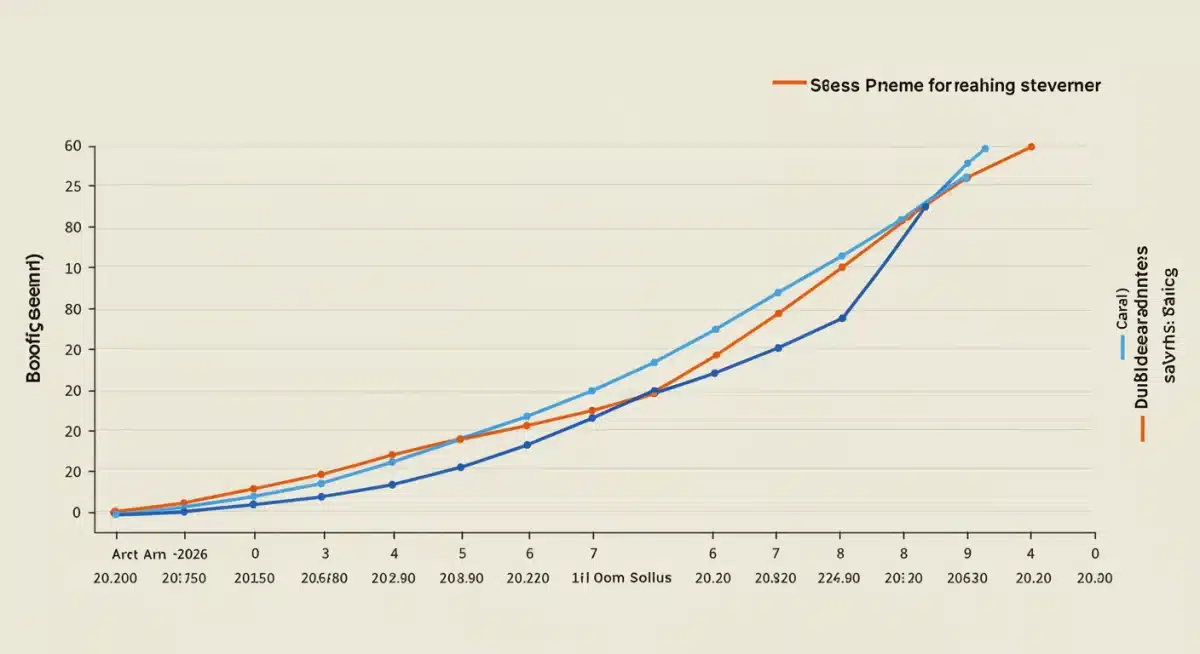
Blockbuster A, a highly anticipated action-adventure film with a reported budget exceeding $200 million, is slated for an exclusive theatrical release in January 2026.
The studio is betting on the film’s star power and spectacle to draw audiences back to cinemas.
This traditional approach underscores a belief in the enduring appeal of the big-screen experience, particularly for genre films designed for immersive viewing.
Early marketing campaigns emphasize the cinematic scale and the communal excitement of watching it in theaters.
Industry analysts will closely monitor its opening weekend performance and subsequent weeks, looking for signs of sustained audience interest.
The success of Blockbuster A will be a crucial barometer for the viability of traditional theatrical windows in the post-pandemic era, especially when Comparing the Impact: 4 Major Film Premieres on Streaming vs. Theatrical Release in Early 2026.
Audience Reception and Box Office Projections
- Pre-release tracking suggests strong audience intent for Blockbuster A, with surveys indicating a preference for seeing such a film in theaters. Social media buzz has been consistently high, translating into significant anticipation.
- Box office projections range from $80 million to $100 million for its domestic opening weekend, a figure that would signal a robust return to form for theatrical exclusives. International markets are also expected to contribute substantially.
- The film’s performance will not only impact its studio but also influence other major distributors’ decisions regarding their 2026 and 2027 slates. A strong showing could reinforce the theatrical model for tentpole releases.
The studio’s confidence in a theatrical-only run for Blockbuster A reflects a strategic decision to maximize upfront revenue and capitalize on the event nature of a major film release.
This contrasts sharply with other strategies seen in Comparing the Impact: 4 Major Film Premieres on Streaming vs. Theatrical Release in Early 2026.
Case Study 2: Indie Drama B – Streaming First
Indie Drama B, a critically acclaimed festival darling with a smaller budget and character-driven narrative, is scheduled for a direct-to-streaming premiere in February 2026.
The platform aims to bolster its subscriber numbers and enhance its reputation for quality original content.
This strategy aligns with the film’s artistic merit and target demographic, which often favors convenience and critical recognition over the theatrical spectacle. The streaming platform has heavily promoted the film as an exclusive, must-watch title.
Success for Indie Drama B will be measured not by box office receipts, but by subscriber engagement, new sign-ups, and critical buzz generated across digital channels.
This approach highlights the different metrics used when Comparing the Impact: 4 Major Film Premieres on Streaming vs. Theatrical Release in Early 2026.
Subscriber Growth and Critical Acclaim Metrics
- The streaming service anticipates a noticeable bump in subscriptions during the film’s release window, particularly among niche audiences interested in prestige dramas. Early reviews are overwhelmingly positive, suggesting strong word-of-mouth potential.
- Engagement metrics, such as completion rates and repeat viewings, will be key indicators of the film’s success. The platform also aims to leverage the film’s critical acclaim during awards season, further enhancing its brand.
- This direct-to-streaming model allows the film to reach a global audience simultaneously, bypassing the logistical and financial hurdles of a traditional theatrical rollout. It’s a compelling argument for the power of streaming in film premieres streaming theatrical discussions.
The studio’s choice for Indie Drama B reflects a strategic understanding of its audience and the strengths of the streaming model. It prioritizes accessibility and subscriber value over the traditional theatrical path, a growing trend for certain types of content.
Case Study 3: Sci-Fi Thriller C – Day-and-Date Release
Sci-Fi Thriller C, a mid-budget genre film with a dedicated fan base, is set for a day-and-date release in March 2026, launching simultaneously in theaters and on a prominent streaming service.
This hybrid model seeks to capture both immediate theatrical revenue and streaming subscriptions.
This strategy represents a calculated risk, aiming to satisfy diverse audience preferences while maximizing exposure. The studio hopes to leverage the theatrical buzz to drive streaming viewership, and vice-versa, in a synergistic approach.
The performance of Sci-Fi Thriller C will offer valuable insights into the cannibalization effect, if any, between theatrical and streaming audiences.
It’s a critical test case for Comparing the Impact: 4 Major Film Premieres on Streaming vs. Theatrical Release in Early 2026.
Balancing Box Office and Streaming Engagement
- Initial data suggests that day-and-date releases can sometimes underperform at the box office compared to exclusive theatrical runs, as some viewers opt for home viewing. However, the streaming boost can offset these theatrical losses.
- The studio will closely analyze the demographics of theatrical attendees versus streaming viewers to understand audience segmentation. This data will be crucial for refining future day-and-date strategies for film premieres streaming theatrical.
- Marketing efforts for Sci-Fi Thriller C are designed to highlight both viewing options, ensuring potential audiences are aware of their choices. The goal is to maximize overall viewership, regardless of the platform.
The day-and-date strategy for Sci-Fi Thriller C is a direct response to evolving consumer habits, attempting to bridge the gap between traditional and digital consumption. Its outcome will be keenly observed by the entire industry.
Case Study 4: Family Animation D – Premium VOD Window
Family Animation D, a highly anticipated animated feature, will debut in April 2026 with a premium video-on-demand (PVOD) window following a brief theatrical run.
This model allows families to access the film at a higher price point shortly after its cinema debut.
This strategy caters specifically to family audiences, who often value convenience and flexibility in their viewing choices. The PVOD model allows studios to capture additional revenue directly from consumers, complementing theatrical earnings.
The success of Family Animation D will be measured by its combined theatrical performance and PVOD sales, offering insights into the willingness of consumers to pay a premium for early home access.
This is another key element when Comparing the Impact: 4 Major Film Premieres on Streaming vs. Theatrical Release in Early 2026.
Revenue Streams: Theatrical to PVOD Transition
- The theatrical run for Family Animation D is expected to be strong, particularly during school holidays, before transitioning to PVOD. The studio aims for a quick turnaround to capitalize on initial buzz.
- PVOD pricing and availability will be critical factors in its success. The perceived value of early home access will determine consumer adoption rates and overall revenue generation for film premieres streaming theatrical.
- This model also allows for greater flexibility in terms of global release, as PVOD can be rolled out in markets where theatrical distribution might be more challenging. It represents a nuanced approach to film monetization.
The PVOD strategy for Family Animation D is a sophisticated attempt to maximize revenue across multiple windows, acknowledging the diverse viewing habits of families. Its performance will be a benchmark for similar releases in the future.
Audience Behavior and Industry Adaptations

Understanding audience behavior is paramount in this evolving distribution landscape. The preferences for theatrical versus home viewing are not monolithic; they vary significantly based on genre, budget, and individual circumstances.
Studios are increasingly investing in sophisticated data analytics to track these preferences, allowing for more targeted marketing and distribution strategies.
The goal is to meet audiences where they are, whether that’s in a cinema seat or on their living room couch.
The industry’s adaptation to these changes involves not only experimenting with release windows but also innovating in content creation and marketing.
The insights gained from Comparing the Impact: 4 Major Film Premieres on Streaming vs. Theatrical Release in Early 2026 will be invaluable.
The Persistent Allure of the Theatrical Experience
- Despite the rise of streaming, the communal aspect of watching a film in a darkened theater remains a powerful draw for many. The big screen, immersive sound, and shared experience contribute to a unique form of entertainment that streaming cannot fully replicate.
- For certain event films, the theatrical release is still seen as a rite of passage, a cultural moment that commands attention and critical discussion. This aspect is particularly strong for blockbusters and highly anticipated sequels.
- The theatrical experience also plays a vital role in generating buzz and critical momentum, which can in turn drive interest in the film’s subsequent streaming or home video release. It’s a foundational step in the lifecycle of many major films.
The ongoing dialogue about film premieres streaming theatrical underscores the industry’s commitment to finding the optimal balance between tradition and innovation.
The coming years will undoubtedly see further experimentation and refinement of these strategies.
Economic Implications for Studios and Exhibitors
The financial stakes in the streaming versus theatrical debate are immense, impacting studios, exhibitors, and content creators alike.
Each distribution model presents a different economic outlook, influencing investment decisions and market valuations.
The shift towards streaming has led to increased competition among platforms, driving up content acquisition costs and the need for constant subscriber growth.
For studios, this often means balancing the immediate revenue from theatrical runs with the long-term value of building a robust streaming library.
Exhibitors, on the other hand, face significant challenges, including declining ticket sales and pressure to innovate the cinema experience.
Their future depends heavily on studios’ continued commitment to theatrical exclusivity for at least some of their major releases, making Comparing the Impact: 4 Major Film Premieres on Streaming vs. Theatrical Release in Early 2026 a critical analysis.
Revenue Diversification and Risk Mitigation
- Studios are increasingly seeking to diversify their revenue streams, not relying solely on box office success. Streaming provides a more predictable, subscription-based income, which can help stabilize financial performance.
- However, the high cost of producing exclusive content for streaming and the intense competition for subscriber attention also represent significant financial risks. Not every streaming exclusive becomes a hit, and subscriber churn remains a constant concern.
- The careful allocation of resources across different release strategies is vital for mitigating these risks. The performance of the four major film premieres in early 2026 will offer tangible evidence of which approaches offer the best return on investment for film premieres streaming theatrical.
The economic landscape of film distribution is in constant flux, with studios and exhibitors continually adapting to new technologies and consumer preferences. The upcoming premieres will provide a crucial snapshot of these evolving dynamics.
| Key Aspect | Observation for Early 2026 |
|---|---|
| Theatrical Exclusivity | Blockbuster A tests traditional box office strength for major releases. |
| Streaming First | Indie Drama B prioritizes subscriber growth and critical acclaim. |
| Day-and-Date Model | Sci-Fi Thriller C evaluates audience cannibalization and combined reach. |
| Premium VOD | Family Animation D explores direct-to-consumer revenue after brief theatrical run. |
Frequently Asked Questions on Film Distribution
Theatrical releases prioritize the big-screen experience, aiming for high box office returns and cultural impact. Streaming releases focus on subscriber acquisition, convenience, and direct-to-consumer access. Each model has distinct revenue streams and audience engagement strategies, as highlighted when Comparing the Impact: 4 Major Film Premieres on Streaming vs. Theatrical Release in Early 2026.
Studios consider factors like film genre, budget, target audience, and potential for cultural impact. Blockbusters often lean theatrical for maximum revenue, while smaller, niche films might opt for streaming to reach a wider, more accessible audience. The decision is a complex balance of financial projections and strategic goals for film premieres streaming theatrical.
A day-and-date release means a film becomes available in theaters and on a streaming platform simultaneously. This hybrid approach aims to capture both traditional box office revenue and streaming subscriptions, catering to diverse consumer preferences. It’s a key strategy for Comparing the Impact: 4 Major Film Premieres on Streaming vs. Theatrical Release in Early 2026.
While streaming has grown significantly, theatrical releases are unlikely to disappear entirely. The communal experience, large screen, and unique atmosphere of cinemas continue to attract audiences, especially for major event films. The industry is currently exploring co-existence and hybrid models rather than outright replacement for film premieres streaming theatrical.
Premium Video-on-Demand (PVOD) allows consumers to rent or purchase a new film for a higher price shortly after its theatrical release, or sometimes even without one. This model provides an additional revenue stream and offers greater convenience for audiences, particularly families, as seen in Comparing the Impact: 4 Major Film Premieres on Streaming vs. Theatrical Release in Early 2026.
Looking Ahead
The early 2026 film premieres offer a crucial window into the future of film distribution, providing tangible data for studios and exhibitors.
The outcomes of Comparing the Impact: 4 Major Film Premieres on Streaming vs. Theatrical Release in Early 2026 will undoubtedly influence strategic shifts in content creation, marketing, and monetization across the entertainment industry.
It is imperative to monitor these developments as they unfold, understanding that each release contributes to a larger narrative about how we consume cinematic stories in the digital age.
As the lines between the big screen and the living room continue to blur, the speed at which content transitions has become a defining factor for subscriber retention.
To understand the latest shifts in windowing strategies, you can read more about how Netflix and other platforms are bringing major films to streaming faster than ever before.