Maximize Returns: 5+ Products from 2026 Limited Series Programs
As content creators and investors focus on maximizing limited series returns, industry analysts are highlighting new monetization strategies for upcoming programs.
This update breaks down key shifting models, why intellectual property expansion beyond the core product matters, and what to watch next in the evolving media landscape.
Understanding the 2026 Limited Series Landscape
The year 2026 presents a unique environment for limited series programs, characterized by technological advancements and evolving consumer consumption patterns.
Digital platforms continue to dominate distribution, offering unprecedented reach and data insights. These elements significantly influence strategies for maximizing limited series returns.
Investment in original content for limited series is soaring, driven by a global demand for fresh, high-quality narratives.
This competitive landscape necessitates innovative approaches to ensure each program delivers maximum value. Identifying untapped market segments becomes paramount for robust product diversification.
Key industry players are already outlining their plans for 2026, signaling a move towards more integrated intellectual property strategies.
This proactive stance aims to secure a dominant position in the market and create sustainable revenue models. The goal is to set new benchmarks for maximizing limited series returns.
Strategic Pillars for Product Diversification
Achieving more than five products from a single limited series program requires a multifaceted strategy built on strong foundational pillars.
These include early conceptualization of ancillary products, robust marketing integration, and agile development cycles. Each pillar plays a critical role in maximizing limited series returns.
Content creators must think beyond the screen, envisioning how their narratives can translate into tangible goods, interactive experiences, or spin-off media.
This holistic view from the outset ensures that opportunities for diversification are not missed. Early planning facilitates seamless product integration and market entry.
Effective product diversification also hinges on understanding audience engagement and preferences.
Data analytics will be crucial in identifying which product categories resonate most with the target demographic. This data-driven approach is essential for maximizing limited series returns effectively.
Leveraging Intellectual Property Rights
The core of product diversification lies in the intelligent leveraging of intellectual property (IP) rights. Securing broad IP rights allows creators to explore various product avenues without legal encumbrances.
This foresight is invaluable for maximizing limited series returns in the long run.
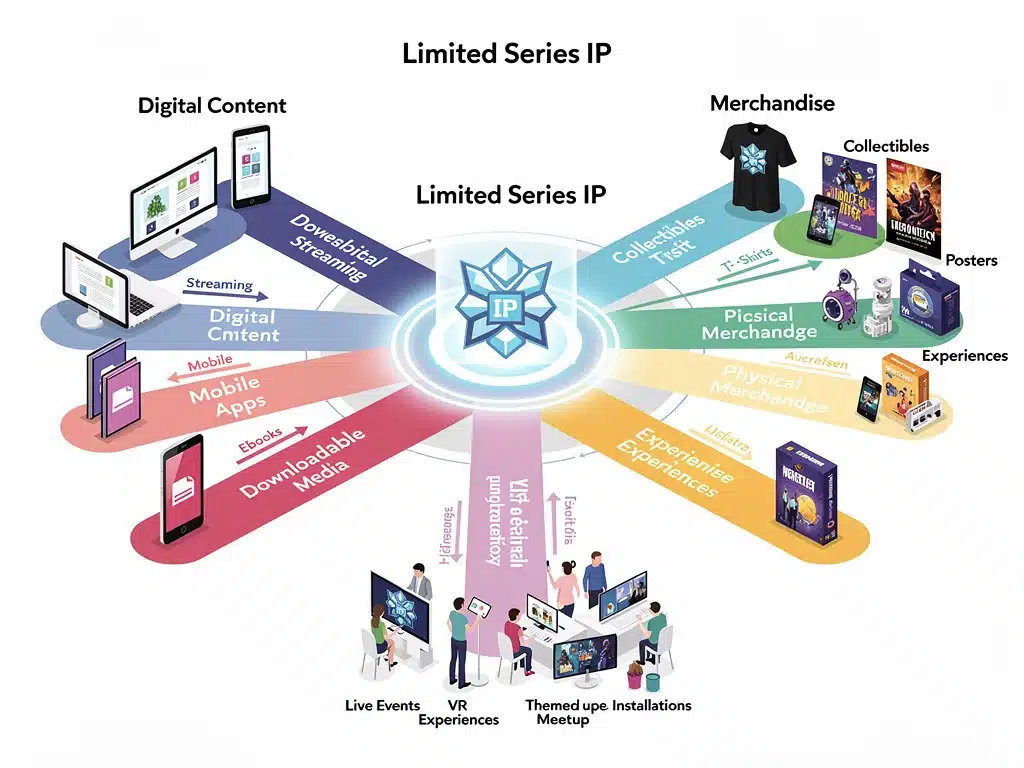
From merchandising to gaming adaptations, the potential for IP extension is vast. Licensing agreements with established brands can significantly amplify reach and revenue.
These partnerships must be strategically chosen to align with the series’ brand identity and audience.
- Early IP strategy development and legal consultation.
- Identification of core brand elements suitable for various product types.
- Negotiation of comprehensive licensing deals for global markets.
Monetizing Ancillary Content and Experiences
Beyond the main series, ancillary content and experiences offer substantial opportunities for revenue generation.
This includes behind-the-scenes documentaries, interactive digital comics, or virtual reality experiences that deepen fan engagement. These additions are vital for maximizing limited series returns.
Live events, such as fan conventions or immersive theatrical productions, can transform a series into a dynamic, interactive brand.
These experiences foster a stronger community around the content, encouraging further investment from fans. The emotional connection translates directly into increased product sales.
The digital realm provides fertile ground for creating supplementary content, from podcasts to mobile games, that extends the narrative and keeps the audience engaged between seasons or after the series concludes.
This continuous engagement is key to maximizing limited series returns over time.
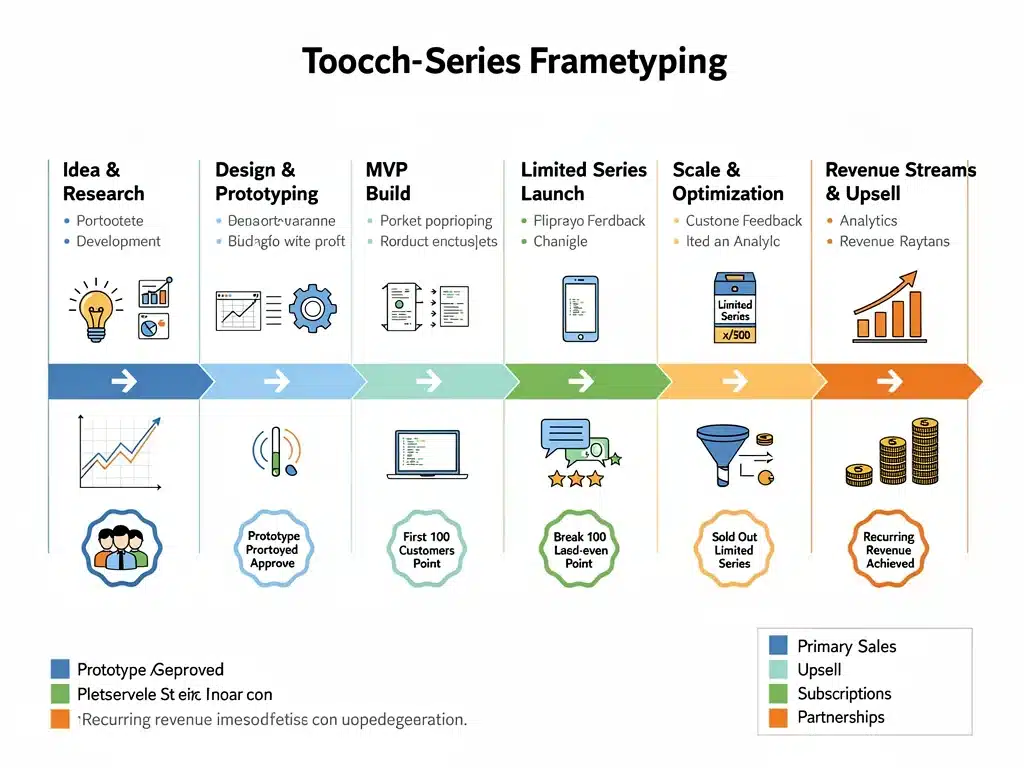
Forecasting Market Trends for 2026
Predicting consumer behavior and market trends for 2026 is critical for any strategy aimed at maximizing limited series returns.
Current indicators suggest a continued rise in personalized content, interactive storytelling, and sustainable product offerings. These trends must inform product development decisions.
The convergence of media platforms will also play a significant role, with audiences expecting seamless transitions between different forms of content.
A limited series might start on a streaming platform, extend into a mobile game, and culminate in an augmented reality experience. This integrated approach is essential.
Furthermore, the demand for ethically produced and environmentally conscious merchandise is growing.
Brands that align with these values will likely see greater consumer loyalty and higher sales. Incorporating these considerations can significantly contribute to maximizing limited series returns.
The Role of Data Analytics in Product Development
Data analytics provides invaluable insights into audience preferences, content consumption patterns, and product market fit.
By analyzing viewership data, social media engagement, and purchasing habits, creators can make informed decisions about product diversification. This analytical edge is crucial for maximizing limited series returns.
Predictive modeling can help identify potential product categories that are likely to succeed, minimizing risk and optimizing resource allocation. A/B testing of product concepts and marketing campaigns further refines strategies, ensuring maximum impact upon launch.
- Utilizing viewership data to identify popular characters or plotlines for merchandise.
- Analyzing social media sentiment to gauge interest in spin-off content.
- Implementing predictive analytics for market demand forecasting.
Emerging Technologies and New Product Avenues
Emerging technologies like augmented reality (AR), virtual reality (VR), and non-fungible tokens (NFTs) are opening entirely new product avenues for limited series programs.
These technologies can create immersive experiences and unique digital collectibles that appeal to a tech-savvy audience. Exploring these frontiers is vital for maximizing limited series returns.
AR filters and games based on limited series characters can drive significant engagement on social media platforms.
VR experiences can transport viewers directly into the world of the series, offering a level of immersion previously unimaginable. These innovative products offer distinct competitive advantages.
NFTs, representing unique digital assets, can create exclusive fan communities and offer new monetization models for digital art, collectibles, and even in-game items related to the series.
Embracing these technologies is a forward-thinking approach to maximizing limited series returns in 2026 and beyond.
Building a Robust Distribution and Marketing Strategy
A comprehensive distribution and marketing strategy is indispensable for ensuring diversified products reach their intended audience.
This involves leveraging multiple channels, from e-commerce platforms to physical retail spaces, and employing targeted marketing campaigns. A well-executed strategy is key to maximizing limited series returns.
Cross-promotional efforts between the limited series and its associated products can create a synergistic effect, driving interest in both.
Utilizing the series’ existing fan base to promote new products through social media and fan communities is a highly effective tactic. This integrated approach amplifies reach.
Partnerships with influential creators and brands can further extend the marketing footprint, introducing products to new demographics.
The goal is to create a pervasive presence across all relevant consumer touchpoints, ensuring maximum visibility and sales for all offerings. This strategic outreach is crucial for maximizing limited series returns.
Case Studies and Success Stories from Recent Years
Examining successful limited series programs from recent years provides valuable insights into effective product diversification.
These case studies highlight strategies that led to significant revenue generation beyond the initial content. Learning from these examples is essential for maximizing limited series returns in 2026.
Many series have successfully launched merchandise lines, including apparel, collectibles, and home goods, often achieving significant sales.
Others have ventured into interactive media, such as video games or mobile apps, extending the narrative in new and engaging ways. These diverse approaches showcase the potential.
The key takeaway from these successes is the importance of a clear vision for IP extension from the very beginning of a project.
Integrating product development into the creative process rather than treating it as an afterthought is a recurring theme among top performers. This foresight is critical for maximizing limited series returns.
Challenges and Risk Mitigation in Product Diversification
While the opportunities for maximizing limited series returns are substantial, challenges and risks are inherent in product diversification.
These include market saturation, audience fatigue, and potential misalignments between the core series and its extended products. Identifying and mitigating these risks is paramount.
Thorough market research and pilot programs can help gauge consumer interest and avoid costly missteps.
Maintaining brand consistency across all products is crucial to prevent diluting the series’ appeal. Any product must genuinely enhance the overall brand experience.
Legal complexities, particularly concerning international IP rights and licensing, also pose significant challenges.
Engaging experienced legal counsel from the outset can prevent future disputes and ensure smooth operation across global markets. Proactive risk management is integral to successfully maximizing limited series returns.
The Future of Limited Series Monetization Beyond 2026
Looking beyond 2026, the landscape for maximizing limited series returns is set to evolve further, driven by technological innovations and shifting consumer expectations.
The emphasis will increasingly be on creating interconnected universes rather than standalone series. This expanded vision offers even greater potential for product generation.
Artificial intelligence (AI) will likely play a more prominent role in content creation, personalization, and marketing, enabling hyper-targeted product offerings.
The ability to generate bespoke content and merchandise based on individual viewer preferences could revolutionize monetization strategies. AI integration will be a game-changer.
The metaverse, with its promise of persistent virtual worlds, presents an entirely new frontier for limited series IP.
Characters, settings, and storylines could be integrated into immersive digital environments, creating new forms of engagement and monetization. Embracing these future trends is vital for long-term success in maximizing limited series returns.
| Key Strategy | Brief Description |
|---|---|
| IP Leveraging | Maximize intellectual property rights for diverse product lines. |
| Ancillary Content | Develop spin-offs, games, and interactive experiences. |
| Market Trend Analysis | Forecast consumer behavior and technological shifts for 2026. |
| Robust Marketing | Implement cross-platform promotion and targeted campaigns. |
Frequently Asked Questions About Limited Series Monetization
The primary goal is to generate multiple revenue streams and products from a single limited series program, extending its commercial lifespan and market impact beyond initial broadcast. This involves strategic planning from concept to execution, focusing on IP expansion and audience engagement.
Achieving this requires early IP rights management, developing diverse ancillary content (e.g., games, merchandise, books), leveraging new technologies like AR/VR, and implementing a robust, integrated marketing and distribution strategy. Diversification must be part of the initial creative vision.
Emerging technologies such as AR, VR, and NFTs offer new product avenues like immersive experiences, digital collectibles, and interactive fan engagement. These technologies can create unique, high-value offerings that resonate with modern audiences, significantly boosting monetization potential.
Data analytics provides critical insights into audience preferences, content consumption, and market demand. It helps identify popular elements within a series, predict successful product categories, and optimize marketing efforts, minimizing risks and maximizing the potential for profitable diversification.
Risks include market saturation, audience fatigue if products aren’t high-quality or relevant, and potential brand dilution if products don’t align with the series’ core identity. Legal complexities regarding IP rights across different markets also pose challenges, requiring careful management.
What this means
The landscape for maximizing limited series returns in 2026 is dynamic, offering unprecedented opportunities for creators and investors willing to embrace a holistic approach.
Success hinges on strategic IP management, innovative product diversification, and a deep understanding of evolving consumer trends and technologies.
For a breakdown of the top projects driving engagement in this evolving market, check out the best new shows of 2026.
Ultimately, the future of content monetization will increasingly blur the lines between traditional media and interactive experiences, demanding foresight and adaptability from all stakeholders.