Unlocking 2026’s Exclusive Product Tests: Top 5 Opportunities
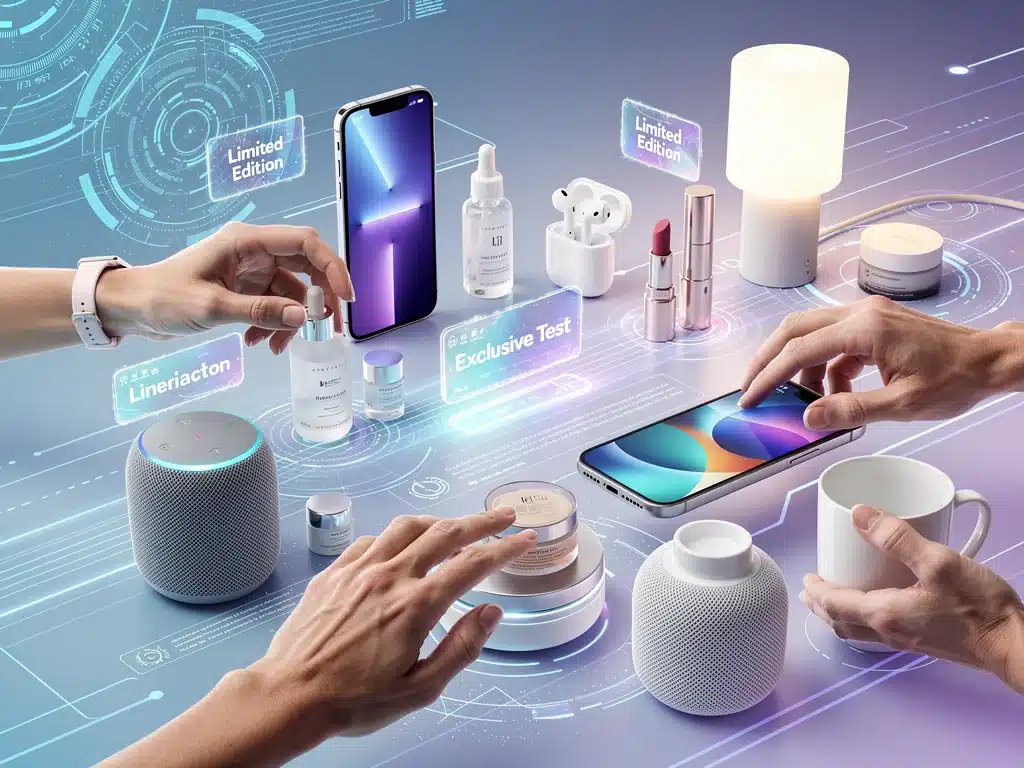
New updates from industry sources highlight the top five limited-series testing opportunities available to U.S. consumers this quarter.
As product evaluation programs evolve rapidly, this brief outlines what changed, why it matters, and what to monitor next to secure early access.
Understanding the Landscape of 2026 Product Test Opportunities
The year 2026 is set to bring forth a wave of innovative products, making 2026 product test opportunities more crucial than ever for both manufacturers and consumers.
These limited series tests are designed to gather real-world feedback, ensuring that new offerings meet market demands and exceed user expectations.
Companies are increasingly relying on targeted consumer feedback to refine their products before widespread release.
This strategic shift creates unique openings for US consumers to become early adopters and influential voices in product development.
Participation in these exclusive programs not only provides early access to cutting-edge technology and goods but also allows individuals to directly impact the future of consumer products.
It’s a win-win scenario, fostering innovation and consumer satisfaction simultaneously.
The Rise of Limited Series Testing
Limited series testing represents a refined approach to product evaluation, focusing on specific demographics or use-cases to gain deep, actionable insights.
These programs are often highly selective, emphasizing quality of feedback over sheer volume of participants.
This method allows companies to quickly iterate on designs and functionalities, addressing potential issues before they become widespread.
For consumers, it means an opportunity to engage with products in a more meaningful and impactful way, far beyond typical market surveys.
The exclusivity of these limited series tests often means a higher level of engagement and support from the brands.
Participants frequently receive more personalized attention, comprehensive instructions, and sometimes even direct communication channels with product development teams.
Key Benefits for US Consumers
- Early access to innovative products before public release.
- Direct influence on product development and features.
- Opportunity to provide valuable feedback to leading brands.
- Potential for free products or significant discounts.
These advantages make 2026 product test opportunities particularly attractive, transforming ordinary consumers into key players in the innovation cycle. The chance to shape what comes next is a powerful incentive for many.
Top 5 Limited Series Product Test Opportunities for Q1 2026
As we enter the first quarter of 2026, several prominent brands are preparing to launch their exclusive limited series product tests.
These programs offer US consumers a unique chance to experience and evaluate pre-release versions of highly anticipated items.
These opportunities span various sectors, from consumer electronics to sustainable home goods, reflecting a diverse range of market interests.
Each program has specific criteria for participation, emphasizing the importance of aligning with target user profiles.
Staying informed about these upcoming tests is paramount for those eager to participate. SeasonBonux provides up-to-date information, helping interested individuals navigate the application processes for these coveted positions.
Tech Innovations: Smart Home Devices
One of the leading 2026 product test opportunities focuses on next-generation smart home devices, promising enhanced automation and energy efficiency.
These tests will involve integrating new sensors, AI-driven assistants, and interconnected systems into daily living environments.
Participants will be tasked with evaluating ease of installation, user interface, compatibility with existing smart home ecosystems, and overall performance.
The feedback collected is crucial for refining the user experience and ensuring seamless operation in diverse household settings.
Enrollment for these smart home device tests is expected to be highly competitive, with a preference for individuals already familiar with smart technology and willing to provide detailed, technical insights.
This ensures the feedback is robust and highly relevant to product improvement.
Sustainable Living: Eco-Friendly Appliances

Another significant area for 2026 product test opportunities is eco-friendly appliances, targeting consumers committed to sustainable living.
These tests will include energy-efficient kitchen gadgets, water-saving laundry systems, and innovative composting solutions.
Testers will assess the environmental impact, performance, durability, and user-friendliness of these appliances in real-world scenarios.
Their insights will help manufacturers optimize designs for both ecological benefit and consumer convenience.
The demand for sustainable products is growing, making these limited series tests particularly impactful.
Participants will play a direct role in promoting greener technologies and influencing market trends towards more environmentally conscious choices.
Navigating the Application Process for Exclusive Tests
Securing a spot in these limited series 2026 product test opportunities requires a strategic approach to the application process.
Brands are looking for specific user profiles that can provide the most relevant and constructive feedback.
Prospective testers should carefully review the eligibility criteria for each program, ensuring their lifestyle and technical expertise align with the product’s intended use.
Generic applications are less likely to succeed in this highly selective environment.
Highlighting relevant experience, such as previous product testing participation or a strong interest in a particular product category, can significantly improve an applicant’s chances. Attention to detail in the application form is also crucial.
Crafting a Winning Application
- Clearly articulate your interest and relevant experience.
- Be specific about your habits and how you’d use the product.
- Provide thoughtful, detailed answers to open-ended questions.
- Ensure your contact information is accurate and up-to-date.
A well-crafted application demonstrates genuine interest and suitability, setting you apart from other applicants.
Remember, brands are seeking individuals who will actively engage with the product and provide comprehensive reviews.
What Brands Look For in Testers
Brands prioritize testers who are articulate, observant, and committed to providing thorough feedback. They seek individuals who can identify subtle nuances in product performance and articulate their experiences clearly and constructively.
Reliability and responsiveness are also key attributes. Testers who consistently meet deadlines and provide detailed reports are highly valued, as their contributions directly impact product development timelines and quality.
Ultimately, brands are looking for partners in innovation—individuals who are not just users but collaborators in the journey of bringing new products to market.
This collaborative spirit is fundamental to the success of 2026 product test opportunities.
The Impact of Consumer Feedback on Product Development
Consumer feedback is the lifeblood of product development, especially for limited series 2026 product test opportunities.
The insights gathered from early testers directly influence design modifications, feature enhancements, and overall market readiness.
This iterative process ensures that products launched to the wider public are robust, user-friendly, and truly meet the needs of their target audience.
Without this crucial input, companies risk developing products that miss the mark or fail to resonate with consumers.
The direct communication channel established during these tests fosters a dynamic relationship between brands and their most engaged users. This engagement is invaluable for creating products that stand out in a competitive market.
Shaping Future Innovations
By participating in these tests, consumers become integral to the innovation pipeline, offering perspectives that internal development teams might overlook.
Their real-world experiences provide a vital reality check for theoretical designs and functionalities.
This collaborative approach not only refines existing products but also inspires entirely new concepts.
Feedback on unforeseen uses or common frustrations can spark ideas for future product lines or entirely new categories, driving continuous innovation.
The power of collective consumer insight is immense, transforming raw ideas into polished, market-ready solutions. Every piece of feedback, no matter how small, contributes to a larger narrative of product evolution and improvement.
Ensuring Market Success

Effective product testing significantly mitigates the risks associated with new product launches, increasing the likelihood of market success.
By identifying and resolving issues pre-launch, brands can avoid costly recalls or negative public reception.
Positive early reviews from limited series testers can also generate valuable buzz and anticipation for a product’s official release. This organic marketing is highly effective, building credibility and trust among potential buyers.
In a crowded marketplace, a product’s success often hinges on its ability to deliver on promises and exceed expectations.
Consumer feedback from 2026 product test opportunities is a critical component in achieving this, ensuring products are not just good, but exceptional.
Ethical Considerations in Product Testing
As 2026 product test opportunities become more prevalent, ethical considerations surrounding data privacy, fair compensation, and transparent communication are paramount.
Both brands and testers have responsibilities to uphold ethical standards throughout the process.
Companies must clearly outline how consumer data will be used, ensuring privacy and security protocols are in place.
Testers, in turn, are expected to provide honest and unbiased feedback, adhering to any non-disclosure agreements.
Transparency in communication about product expectations, testing requirements, and potential risks is essential for building trust and maintaining the integrity of the testing process.
Clear guidelines prevent misunderstandings and foster a positive testing environment.
Data Privacy and Security
Protecting consumer data is a fundamental ethical responsibility for companies conducting product tests. This includes safeguarding personal information, usage data, and any feedback provided by testers.
Brands should implement robust data encryption and privacy policies, clearly communicating these to participants. Testers should also be vigilant about the information they share, especially concerning unreleased products.
Adherence to data protection regulations, such as GDPR and CCPA, is crucial, even for internal product testing. This ensures that trust is maintained and that participants feel secure in their contributions to 2026 product test opportunities.
Fair Compensation and Disclosure
While some 2026 product test opportunities offer free products in exchange for feedback, others may include monetary compensation. It is vital for brands to clearly disclose the terms of any compensation upfront, avoiding ambiguity.
Testers should understand what is expected of them in return for the product or payment. This transparency helps manage expectations and ensures that the exchange is perceived as fair and equitable by all parties involved.
Any potential conflicts of interest should also be disclosed. For instance, if a tester has a professional relationship with the brand, this information should be made known to maintain the integrity of the feedback process.
The Future of Consumer Product Testing in the US
The burgeoning array of 2026 product test opportunities underscores a significant shift in how products are brought to market, with US consumers playing an increasingly central role.
This trend is set to continue, fostering deeper engagement and more impactful contributions from early adopters.
As technology advances and consumer expectations rise, the value of real-world feedback will only grow.
Those who participate in these limited series tests are not just users; they are vital partners in shaping the next generation of products and ensuring they truly meet the needs of a diverse marketplace.
Keeping abreast of these opportunities and understanding the application process will be key for anyone eager to influence the future of consumer goods.
The year 2026 is poised to be a landmark period for consumer-driven innovation.
Increased Personalization and Specialization
Future product testing will likely see an increase in personalization, matching specific products with testers whose demographics, interests, and usage patterns align perfectly.
This hyper-targeting will yield more relevant and actionable insights.
Specialized testing groups for niche markets or emerging technologies will also become more common. This allows brands to gather highly specific feedback that addresses unique challenges and opportunities within those segments.
This trend towards personalization will make 2026 product test opportunities even more rewarding for participants, as they will be testing products directly relevant to their lives and expertise, maximizing their influence on development.
Leveraging Digital Platforms
Digital platforms will play an increasingly central role in facilitating product testing, from application management to feedback submission and communication. Online communities will foster interaction among testers and brands.
Virtual reality and augmented reality technologies could also be integrated into testing, allowing consumers to experience and evaluate products in simulated environments before physical prototypes are even built.
This could accelerate the development cycle significantly.
The seamless integration of digital tools will enhance the efficiency and reach of 2026 product test opportunities, making participation more convenient and accessible for a wider range of US consumers.
This digital evolution is set to redefine how products are brought to market.
| Key Opportunity | Brief Description |
|---|---|
| Smart Home Tech | Evaluate next-gen AI-driven home devices for automation and efficiency. |
| Eco-Friendly Appliances | Test sustainable kitchen gadgets and water-saving laundry systems. |
| Wearable Health Devices | Participate in trials for advanced health monitoring and fitness wearables. |
| Immersive Gaming Gear | Get early access to new VR/AR headsets and specialized gaming peripherals. |
Frequently Asked Questions About 2026 Product Testing
You can find 2026 product test opportunities through specialized platforms like SeasonBonux, brand websites, and consumer review communities. Subscribing to newsletters from your favorite brands and product testing sites is also highly recommended to receive timely notifications about new programs.
Eligibility varies by product and brand, but commonly includes being a US resident, meeting specific demographic criteria (age, location, household size), and having an interest or experience with the product category. Some tests may also require specific technical skills or access to certain devices.
Often, yes. Many 2026 product test opportunities allow participants to keep the tested product as a form of compensation for their time and valuable feedback. However, this is not always the case, and terms should be clearly outlined in the agreement before you begin testing.
Your feedback is extremely important. It directly influences product improvements, feature adjustments, and overall market strategy. Companies rely on real-world user experiences to refine their offerings and ensure they meet consumer expectations before a broad public release.
Generally, there are no costs to participate in legitimate 2026 product test opportunities. Be wary of any program that asks for payment or personal financial details beyond what’s necessary for shipping. The primary exchange is your time and honest feedback for the product.
Looking Ahead: The Evolving Role of US Consumers
The burgeoning array of 2026 product test opportunities underscores a significant shift in how products are brought to market, with US consumers playing an increasingly central role.
This trend is set to continue, fostering deeper engagement and more impactful contributions from early adopters.
As technology advances and consumer expectations rise, the value of real-world feedback will only grow.
Those who participate in these limited series tests are not just users; they are vital partners in shaping the next generation of products and ensuring they truly meet the needs of a diverse marketplace.
Keeping abreast of these opportunities and understanding the application process will be key for anyone eager to influence the future of consumer goods.
The year 2026 is poised to be a landmark period for consumer-driven innovation.
Increased Personalization and Specialization
Future product testing will likely see an increase in personalization, matching specific products with testers whose demographics, interests, and usage patterns align perfectly. This hyper-targeting will yield more relevant and actionable insights.
Specialized testing groups for niche markets or emerging technologies will also become more common. This allows brands to gather highly specific feedback that addresses unique challenges and opportunities within those segments.
This trend towards personalization will make 2026 product test opportunities even more rewarding for participants, as they will be testing products directly relevant to their lives and expertise, maximizing their influence on development.
Leveraging Digital Platforms
Digital platforms will play an increasingly central role in facilitating product testing, from application management to feedback submission and communication. Online communities will foster interaction among testers and brands.
Virtual reality and augmented reality technologies could also be integrated into testing, allowing consumers to experience and evaluate products in simulated environments before physical prototypes are even built.
This could accelerate the development cycle significantly.
The seamless integration of digital tools will enhance the efficiency and reach of 2026 product test opportunities, making participation more convenient and accessible for a wider range of US consumers.
To discover top-rated platforms operating in this space, check out this guide on the best product testing websites. This digital evolution is set to redefine how products are brought to market.