Optimizing Your TV Antenna for Better Reception in 2026
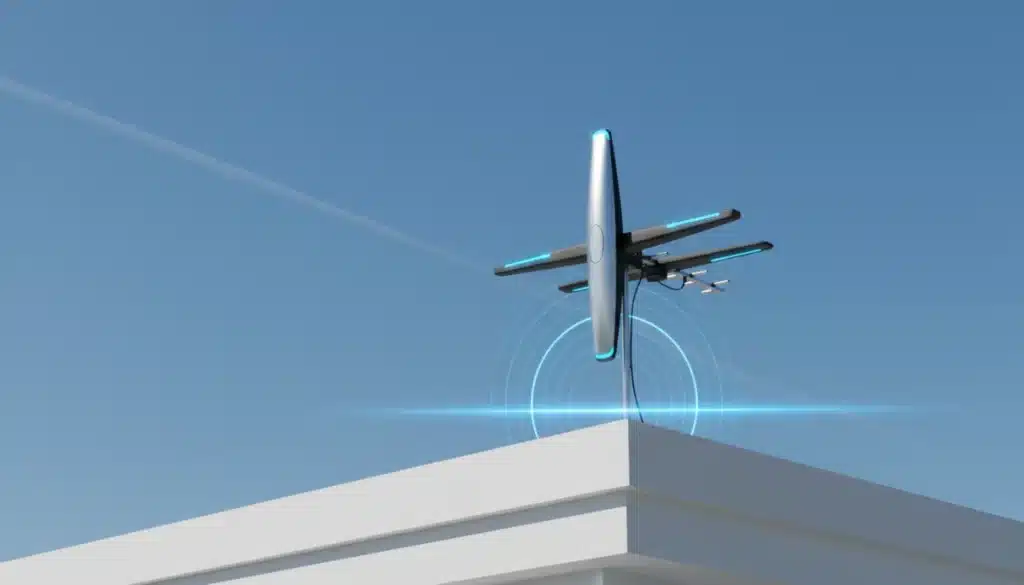
Latest developments in TV Antenna reception show optimization remains important as broadcasters continue expanding ATSC 3.0 (NextGen TV) deployments across U.S. markets. The newer broadcast standard offers improved picture quality, enhanced audio, and additional features, but reception quality still depends heavily on antenna placement, signal strength, and local terrain conditions.
For 2026, industry experts recommend positioning antennas as high as possible, ideally near windows or in attic and rooftop locations when practical. Viewers should regularly rescan channels, use quality coaxial cables, minimize signal interference from electronic devices, and verify transmitter locations using local coverage maps. In some areas, amplified antennas may help improve reception, although excessive amplification can sometimes degrade signal quality rather than improve it.
Looking ahead, consumers should monitor continued ATSC 3.0 rollouts, local broadcaster frequency changes, and updates to channel availability in their region. As more stations adopt NextGen TV technology, optimizing antenna setup and periodically reviewing reception conditions will remain key to maintaining reliable access to free high-definition television programming throughout 2026 and beyond.
Understanding the Evolving Digital TV Landscape
The digital television landscape is in constant flux, with broadcasters periodically adjusting frequencies and power levels. These changes directly impact how your network TV antenna performs, necessitating periodic review and potential adjustments to your setup for optimal reception.
New broadcasting standards, such as ATSC 3.0 (NextGen TV), are gradually rolling out across the United States. This advanced standard promises superior picture quality, enhanced audio, and interactive features, but requires compatible equipment and a well-optimized antenna system to fully utilize its benefits.
Staying informed about local broadcast changes and technological advancements is paramount for anyone seeking TV Antenna. Resources like the FCC and local broadcast websites provide crucial updates that can influence your antenna choices and setup.
Antenna Selection: Matching Your Needs to Technology
Choosing the right network TV Antenna is the foundational step toward achieving excellent reception. The market offers a diverse range of options, each designed for specific reception environments and user needs, making an informed decision critical.
Factors such as your distance from broadcast towers, terrain, and desired channels all play a significant role in determining the most suitable antenna type. An antenna that works perfectly for a city dweller might be inadequate for someone in a rural area.
Investing in a high-quality antenna tailored to your specific circumstances is a primary practical solution for optimizing your network TV antenna. Generic or under-powered antennas often lead to frustration and poor signal quality, undermining your viewing experience.
Types of Antennas and Their Applications
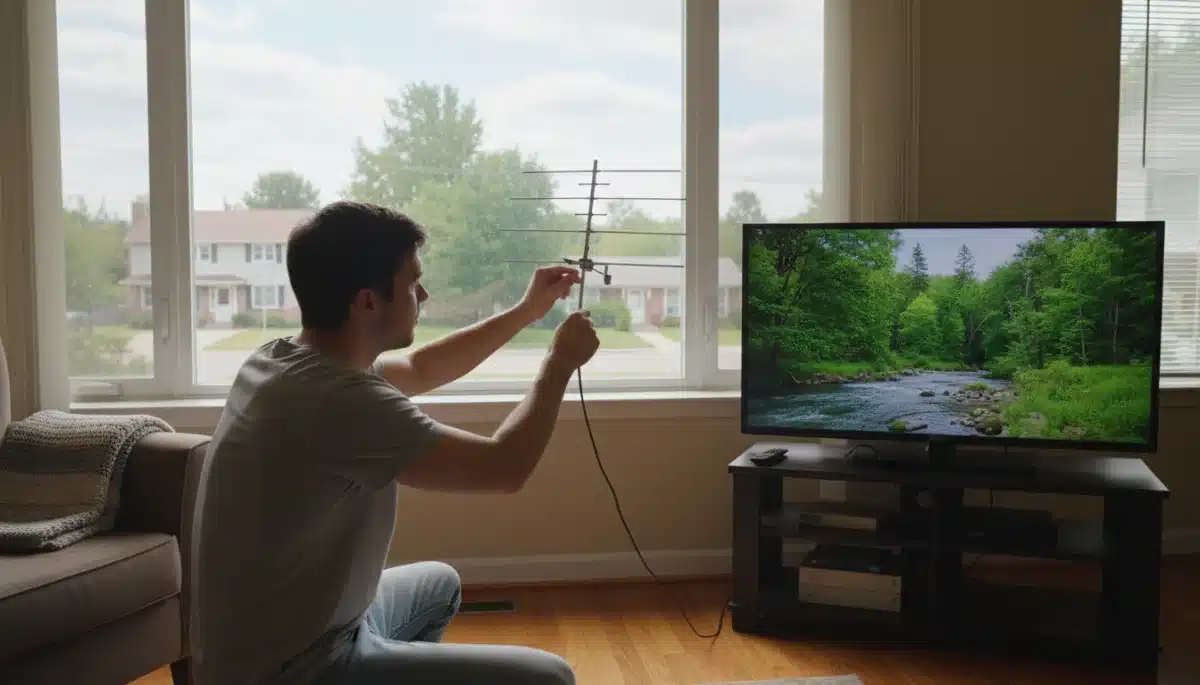
- Indoor Antennas: Best for urban areas close to broadcast towers, typically within 15-20 miles. They are compact and easy to install but can be susceptible to interference from household electronics and building materials.
- Outdoor Antennas: Ideal for suburban and rural areas, offering superior range and signal capture. They are more exposed to weather elements but provide the most reliable reception for distant signals.
- Attic Antennas: A compromise between indoor and outdoor, suitable for those who want better reception than indoor antennas without the external exposure of outdoor models. Installation can be more complex.
Assessing Your Local Signal Environment
Before purchasing an antenna, utilize online tools like the FCC’s DTV Reception Maps or AntennaWeb.org. These resources provide detailed information on local broadcast towers, signal strength, and recommended antenna types for your specific location.
Understanding your signal environment is a critical step in implementing TV Antenna. This information will guide your antenna selection, ensuring it is powerful enough to capture the necessary signals efficiently.
Accurate assessment prevents common pitfalls, such as buying an antenna that is either too weak for your needs or unnecessarily powerful and expensive. Matching the antenna to the environment is key for cost-effectiveness and performance.
Strategic Antenna Placement for Maximum Signal
Once you have selected the appropriate network TV antenna, its placement becomes the next critical factor in optimizing reception. Even the best antenna will underperform if not positioned correctly, highlighting the importance of strategic installation.
The goal is to minimize obstructions and maximize line-of-sight to broadcast towers, which often means placing the antenna as high as possible. Every foot of elevation can significantly impact signal strength and clarity.
Experimentation with different locations and orientations is often necessary to discover the optimal spot. This hands-on approach is a fundamental component of TV Antenna, ensuring you capture the strongest signals available.
Outdoor Antenna Installation Best Practices
- Height is Key: Mount the antenna as high as safely possible, ideally above the roofline, to clear obstructions like trees and buildings.
- Directional Aiming: Use a compass and online signal maps to aim your antenna directly toward the broadcast towers. Small adjustments can yield significant improvements.
- Secure Mounting: Ensure the antenna is securely mounted to withstand wind and weather, preventing signal disruption and potential damage.
For indoor antennas, positioning near a window facing the broadcast towers is generally recommended. Avoid placing them behind large electronic devices or metal objects, which can cause interference and signal degradation.
Attic antennas should also be placed as high as possible within the attic space, away from large metal objects like HVAC ducts or plumbing. The type of roofing material can also affect signal penetration, with some materials causing more attenuation than others.
Proper grounding for outdoor antennas is not only a practical solution for optimizing reception but also a crucial safety measure. It protects against lightning strikes and static buildup, ensuring the longevity of your equipment and the safety of your home.
Signal Boosters and Amplifiers: When and How to Use Them
In certain situations, even a well-chosen and perfectly placed network TV antenna might struggle to deliver a consistently strong signal. This is where signal boosters or amplifiers can become indispensable tools for enhancing reception.
These devices work by increasing the strength of the incoming signal, compensating for signal loss due to long cable runs, splitters, or weak signals from distant towers. However, they must be used judiciously, as overuse can introduce more problems than they solve.
Understanding the proper application of signal boosters is a key aspect of implementing TV Antenna. Incorrect use can lead to signal overload, resulting in pixelation or complete loss of channels.
Distinguishing Between Pre-amplifiers and Distribution Amplifiers
- Pre-amplifiers: Installed near the antenna (usually outdoors), these boost weak signals before they travel down long coaxial cables, minimizing signal loss from the start.
- Distribution Amplifiers: Placed indoors, typically near a splitter, these compensate for signal loss when distributing the signal to multiple televisions.
It is crucial to use a signal amplifier only if your signal is truly weak. If your signal is already strong, an amplifier can cause over-amplification, leading to distortion and pixelation, which is counterproductive to optimizing reception.
Always choose an amplifier that is designed for digital signals and matches the frequency range of your local broadcasts.
A mismatched amplifier can filter out desired channels or introduce unwanted noise, hindering your efforts to improve reception.
Cable Quality and Connections: Often Overlooked Details
The quality of your coaxial cables and connections might seem minor, but they play a significant role in delivering a clear signal from your network TV antenna to your television. Poor quality cables or loose connections can introduce substantial signal loss and interference.
Using RG6 coaxial cable is generally recommended for antenna installations due to its superior shielding and lower signal attenuation compared to older RG59 cables. This small upgrade can make a noticeable difference in signal strength and picture quality.
Ensuring all connections are tight and weatherproofed, especially for outdoor installations, is another fundamental practical solution for optimizing your network TV antenna. Corrosion and moisture can degrade signal integrity over time, leading to intermittent reception issues.
Maintaining Optimal Cable Integrity
- Use High-Quality Cables: Opt for RG6 coaxial cables with good shielding to minimize signal loss and interference.
- Minimize Cable Length: Keep cable runs as short as possible to reduce signal attenuation.
- Secure and Weatherproof Connections: Ensure all F-connectors are tightly secured and, for outdoor use, protected with weatherproof boots or silicone sealant.
Inspect your existing cables for any signs of damage, fraying, or kinks. Damaged cables can act as antennas themselves, picking up unwanted noise and interfering with your desired broadcast signals, directly impacting your reception quality.
Using high-quality F-connectors and ensuring they are properly crimped or compressed onto the cable is equally important.
Loose or poorly installed connectors are common culprits for signal issues, making them a key area for troubleshooting when implementing TV Antenna.
Troubleshooting Common Reception Issues
Even with careful planning and installation, reception issues can sometimes arise. Knowing how to systematically troubleshoot common problems is a valuable skill for anyone relying on a network TV antenna for their entertainment.
Pixelation, intermittent signal loss, or missing channels are all indicators that something in your setup needs attention. A methodical approach to diagnosis can save time and prevent unnecessary component replacements.
Effective troubleshooting is a crucial aspect of maintaining optimal reception and is an essential part of the broader TV Antenna. It empowers users to quickly restore their viewing experience.
Systematic Troubleshooting Steps
- Rescan Channels: Digital tuners sometimes lose track of channels after broadcast changes. Perform a full channel rescan as a first step.
- Check Connections: Ensure all coaxial cable connections are tight and secure at the antenna, amplifier, splitter, and TV.
- Inspect Antenna Alignment: Verify that your antenna is still correctly aimed at the broadcast towers, especially after strong winds or storms.
If you suspect interference, try temporarily disconnecting other electronic devices in your home one by one to identify potential sources.
LED lights, power adapters, and even certain appliances can emit electromagnetic interference that disrupts TV signals.
Consider using a signal meter if you frequently encounter persistent issues. While a professional tool, affordable versions are available for consumers and can provide precise readings of signal strength, aiding in antenna alignment and overall system optimization.
Future-Proofing Your Antenna Setup for 2026 and Beyond
As technology advances and broadcasting standards evolve, taking steps to future-proof your network TV antenna setup is a wise investment. This proactive approach ensures continued access to free over-the-air television without constant upgrades.
The ongoing transition to ATSC 3.0 (NextGen TV) is a prime example of why future-proofing matters. While current ATSC 1.0 antennas will still work for existing broadcasts, a compatible tuner or television is required to receive NextGen TV signals.
Adopting these forward-thinking strategies is a vital component of providing TV Antenna. It ensures long-term reliability and access to the latest broadcast innovations.
Key Considerations for Longevity and Performance
- ATSC 3.0 Compatibility: Consider an antenna that is specifically designed or highly rated for ATSC 3.0 signals, even if your local market has not fully transitioned yet.
- Durable Construction: Invest in antennas made from high-quality, weather-resistant materials, especially for outdoor installations, to withstand environmental elements.
- Modular Design: Some antennas offer modular components, allowing for upgrades or replacements of specific parts rather than requiring a full system overhaul.
Regular maintenance, such as checking for loose connections, cleaning the antenna elements, and inspecting mounting hardware, can significantly extend the lifespan and performance of your antenna. Preventative care is often more cost-effective than reactive repairs.
Staying informed about industry trends and potential changes in broadcasting regulations will allow you to anticipate future needs.
This continuous awareness ensures that your antenna setup remains cutting-edge and capable of delivering the best possible reception.
Leveraging Online Resources and Community Support
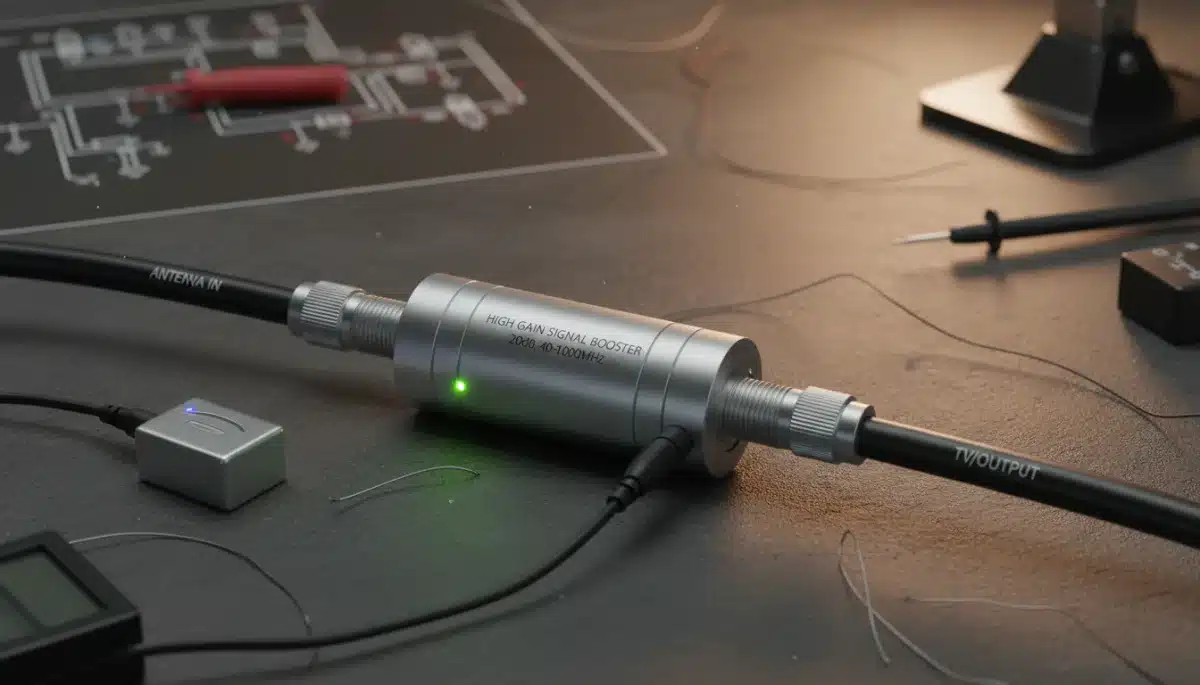
The vast world of online resources and dedicated communities offers invaluable support for those looking for TV Antenna. These platforms provide a wealth of information, from detailed guides to peer-to-peer advice.
Websites like the FCC’s DTV Reception Maps, AntennaWeb, and various dedicated forums and subreddits are excellent starting points. They offer tools to identify local broadcast towers, recommend antenna types, and provide troubleshooting tips based on real-world experiences.
Engaging with these communities can provide personalized advice for unique reception challenges that might not be covered in general guides. The collective knowledge of experienced users can be a powerful asset in refining your antenna setup.
Valuable Online Tools and Forums
- FCC DTV Reception Maps: Official government resource for identifying broadcast towers and signal strength in your area.
- AntennaWeb.org: A popular tool that recommends specific antenna types based on your address and desired channels.
- AVS Forum (Antenna and Reception Section): An active community where users discuss antenna setups, troubleshoot issues, and share local reception data.
Many antenna manufacturers also provide comprehensive support sections on their websites, including FAQs, installation videos, and direct customer service. These resources can be particularly helpful for product-specific questions and warranties.
Always cross-reference information from various sources to ensure accuracy and relevance to your specific location and setup.
While community advice is valuable, official information from broadcasters and regulatory bodies should always take precedence for critical decisions.
| Key Optimization Step | Brief Description |
|---|---|
| Smart Antenna Selection | Choose antenna type based on distance to towers and local terrain for best signal capture. |
| Strategic Placement | Mount antenna high and aim precisely towards broadcast towers, minimizing obstructions. |
| Signal Amplification | Use pre-amplifiers or distribution amplifiers judiciously for weak or split signals. |
| Cable & Connection Quality | Employ RG6 coaxial cables and ensure all connections are tight and weatherproofed for integrity. |
Frequently Asked Questions About TV Antenna Optimization
To determine the best antenna, use online tools like the FCC DTV Reception Maps or AntennaWeb.org. Enter your address to see local broadcast towers, signal strengths, and recommended antenna types. This data is crucial for making an informed decision about your network TV antenna.
Yes, severe weather like heavy rain, snow, or strong winds can temporarily degrade TV antenna reception. Moisture can attenuate signals, and strong winds can shift antenna alignment. Regular checks and secure mounting are part of TV Antenna.
No, a signal amplifier is not always necessary. It’s primarily beneficial for weak signals or long cable runs. If your signal is already strong, an amplifier can cause over-amplification and pixelation. Assess your signal strength first before adding an amplifier to your network TV antenna setup.
It’s advisable to rescan for channels periodically, especially if you notice missing channels or reception issues. Broadcasters sometimes change frequencies or add new channels. A rescan ensures your TV tuner is up-to-date with available broadcasts, integral to maintaining optimal network TV antenna performance.
ATSC 3.0, or NextGen TV, is a new broadcast standard offering better picture, sound, and interactive features. Your current ATSC 1.0 antenna will still receive existing signals, but you’ll need an ATSC 3.0 compatible tuner or TV to access NextGen TV broadcasts, a key consideration for future-proofing your network TV antenna.
What this means
The pursuit of TV Antenna underscores a growing desire for reliable, free over-the-air television. As digital broadcasting continues its evolution, staying informed about antenna technology, placement, and signal management is not just a preference but a necessity for quality viewing.
These strategies offer a robust framework for viewers to take control of their home entertainment, ensuring access to high-definition content without monthly subscriptions. The emphasis on informed decisions and proactive maintenance reflects a broader trend towards smart, efficient consumer choices in media consumption.
Looking ahead, the continued rollout of ATSC 3.0 will further shape the antenna landscape, presenting both opportunities and challenges. Viewers who embrace these practical solutions will be well-positioned to enjoy the benefits of advanced broadcasting, securing their access to superior network TV reception for years to come.