Your Q1 2026 Checklist: Navigating Limited Series Opportunities
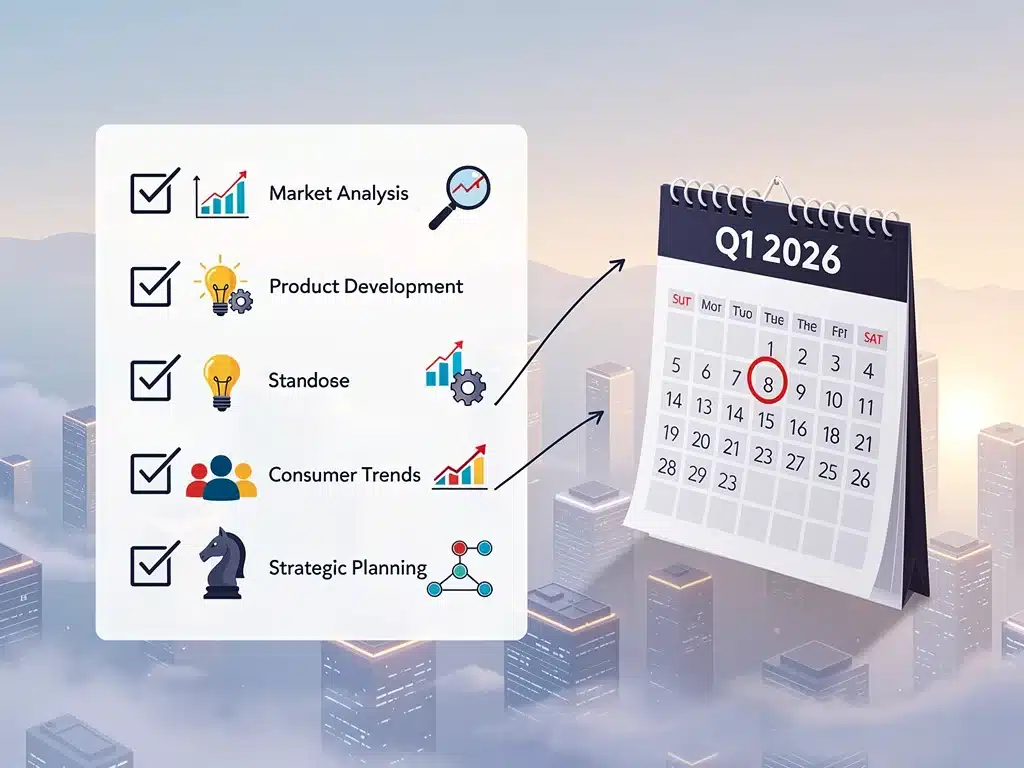
Capitalizing on Q1 2026 Limited Series Product Opportunities requires precise market timing, strategic consumer insight, and tight operational planning.
Grounded in current shifts toward hyper-personalized offerings and transparent supply chains, this streamlined strategy outlines how to turn short-run launches into sustained brand growth.
Understanding the Landscape of Limited Series Product Opportunities
The market for limited series products is characterized by its exclusivity, urgency, and often, innovative design.
These offerings cater to consumers seeking unique, high-quality items that stand apart from mass-produced goods, driving demand and creating significant opportunities for agile businesses.
Analyzing past trends and current market indicators is crucial for anticipating the next big wave in limited series products.
This involves deep dives into consumer analytics, competitor strategies, and emerging technological advancements that could influence product development and distribution.
As Q1 2026 approaches, businesses must shift their focus from broad market strategies to precise, data-driven approaches that pinpoint specific niches.
This targeted effort allows for the creation of products that resonate deeply with defined consumer segments, maximizing impact and profitability.
Market Research and Trend Identification for Q1 2026
Effective market research forms the bedrock of any successful limited series product launch.
It involves more than just identifying popular items; it requires forecasting shifts in consumer sentiment, lifestyle trends, and cultural influences that will shape demand in Q1 2026.
Businesses should invest in advanced analytical tools to dissect data from social media, e-commerce platforms, and industry reports.
This granular understanding allows for the early detection of patterns and preferences that can be leveraged into viable limited series product opportunities.
Focus groups and consumer surveys, while traditional, still offer invaluable qualitative insights into potential product appeal and pricing strategies.
Combining these methods provides a holistic view, ensuring that product concepts align with genuine consumer desires for Q1 2026.
Leveraging Data Analytics for Niche Identification
Data analytics platforms provide a powerful lens through which to view consumer behavior and market gaps.
By analyzing purchase histories, browsing patterns, and demographic information, businesses can uncover underserved niches perfect for limited series products.
Predictive analytics can forecast future trends, allowing companies to be proactive rather than reactive in their product development.
This foresight is especially critical for limited series, where timing and exclusivity are key components of their appeal, driving demand for Q1 2026.
- Identify emerging micro-trends through social listening.
- Analyze competitor limited series launches for success factors and gaps.
- Utilize AI-driven tools to predict consumer interest shifts.
- Segment target audiences based on psychographics and purchase intent.
Understanding Consumer Psychology for Exclusivity
The allure of limited series products often stems from psychological triggers such as scarcity and perceived value.
Consumers are more likely to act quickly when they believe an item is rare or will not be available for long, a critical factor for Q1 2026 success.
Crafting compelling narratives around the uniqueness and craftsmanship of limited series items enhances their desirability.
This storytelling builds an emotional connection with the consumer, transforming a simple purchase into an experience, essential for limited series product opportunities.
Understanding what motivates impulse buys versus considered purchases within the limited series context is vital.
This knowledge allows businesses to tailor their marketing and sales strategies to maximize engagement and conversion rates during Q1 2026.
Product Development and Innovation Strategies
Developing a limited series product requires a blend of creativity and strategic planning.
The focus should be on innovation, ensuring that each offering brings something fresh and compelling to the market, distinguishing it from existing options for Q1 2026.
Collaboration with designers, artists, and specialized manufacturers can elevate the uniqueness of limited series products.
These partnerships often result in distinctive designs and superior craftsmanship, aligning with consumer expectations for exclusivity.
Rapid prototyping and iterative design processes are essential for limited series, allowing for quick adjustments based on early feedback. This agility ensures that the final product not only meets but exceeds consumer expectations for Q1 2026.
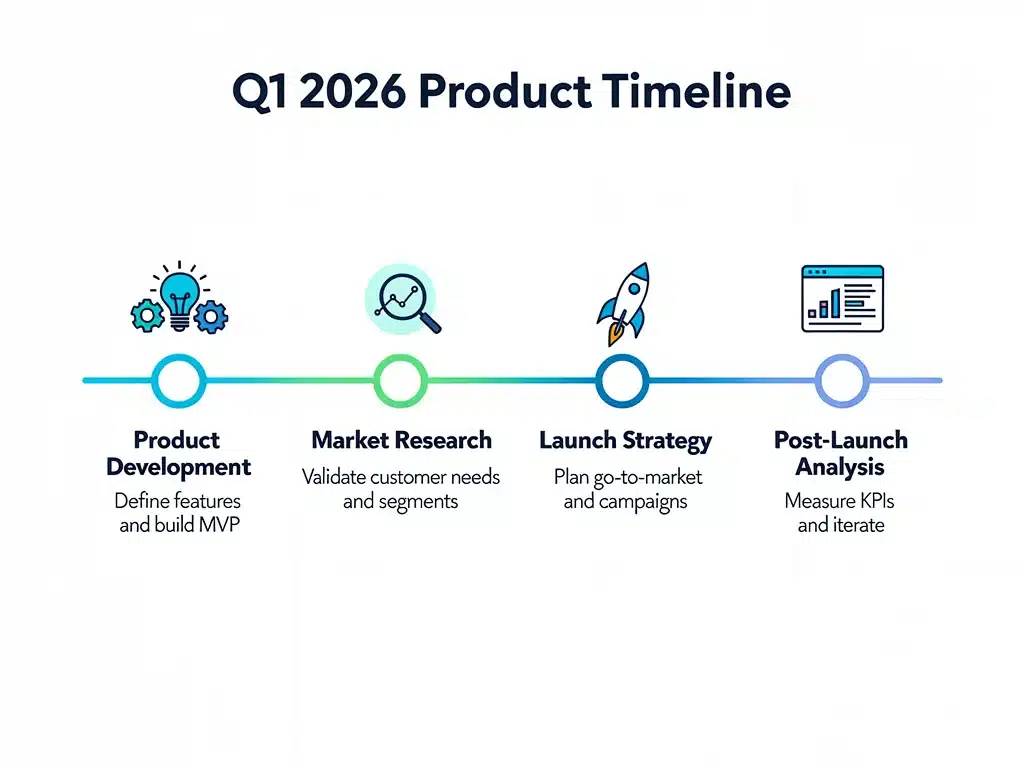
Sustainable Practices in Limited Series Production
Modern consumers increasingly prioritize sustainability, making eco-friendly production practices a significant advantage for limited series products.
Integrating sustainable materials and ethical manufacturing processes can enhance brand image and appeal for Q1 2026.
Transparency in sourcing and production methods builds trust with consumers, who are often willing to pay a premium for products that align with their values.
This commitment to sustainability can become a core differentiator for limited series product opportunities.
Highlighting the environmental benefits of limited production runs, such as reduced waste and resource consumption, can further resonate with environmentally conscious buyers.
This approach not only benefits the planet but also strengthens brand loyalty for Q1 2026.
Quality Control and Craftsmanship
The perceived value of limited series products is intrinsically linked to their quality and craftsmanship.
Rigorous quality control processes are non-negotiable, ensuring that every item meets the highest standards and justifies its exclusive nature for Q1 2026.
Investing in skilled artisans and advanced manufacturing techniques guarantees superior finishes and durability.
This attention to detail reinforces the premium positioning of limited series offerings, captivating discerning consumers.
Customer satisfaction hinges on delivering products that not only look exceptional but also perform flawlessly.
A commitment to excellence in every stage of production is vital for maintaining a strong reputation and securing repeat business in the limited series market for Q1 2026.
Supply Chain and Logistics Optimization
An efficient supply chain is critical for the timely and cost-effective delivery of limited series products.
Given the often tight production windows and exclusive nature, any disruption can have significant repercussions, especially for Q1 2026 launches.
Establishing strong relationships with reliable suppliers and logistics partners is paramount.
This network ensures that raw materials are sourced ethically and efficiently, and finished products reach consumers without delays, maintaining the integrity of limited series product opportunities.
Implementing robust inventory management systems helps prevent overstocking or stockouts, both of which can undermine the exclusivity and profitability of limited series.
Precision in logistics is a cornerstone of success in this specialized market for Q1 2026.
Agile Manufacturing and Fulfillment
Agile manufacturing processes allow for flexibility and quick adaptation to changing market demands or unforeseen challenges.
This responsiveness is invaluable for limited series, where production volumes are often smaller and more specialized, particularly for Q1 2026.
Streamlined fulfillment operations, including efficient warehousing and expedited shipping, are essential for meeting consumer expectations for prompt delivery.
The speed and reliability of fulfillment directly impact customer satisfaction and brand perception for limited series product opportunities.
Leveraging automation in manufacturing and logistics can further enhance efficiency and accuracy, reducing human error and accelerating production cycles.
This technological integration supports the rapid deployment of limited series items, crucial for Q1 2026.
Marketing and Launch Strategies for Limited Series
Launching a limited series product requires a carefully orchestrated marketing campaign that builds anticipation and drives immediate action.
The messaging must emphasize exclusivity, uniqueness, and the finite availability of the product for Q1 2026.
Digital marketing channels, including social media, influencer partnerships, and targeted email campaigns, are highly effective for reaching specific consumer segments.
These platforms allow for precise targeting and personalized communication, maximizing impact for limited series product opportunities.
Creating a sense of urgency through countdown timers, early bird access, or exclusive previews can significantly boost engagement and conversion rates during the launch phase.
A well-executed launch creates buzz and ensures rapid sell-through for Q1 2026.
Building Anticipation Through Pre-Launch Campaigns
Pre-launch campaigns are instrumental in generating excitement and demand before the product is even available.
Teaser campaigns, behind-the-scenes content, and sneak peeks can captivate audiences and create a loyal following for Q1 2026 limited series product opportunities.
Utilizing waitlists and exclusive sign-ups can gauge interest and provide valuable data for predicting demand.
This strategy also fosters a sense of privilege among early adopters, strengthening their connection to the brand and the upcoming limited series.
Collaborations with relevant influencers or media outlets can amplify pre-launch messaging, reaching a broader yet still targeted audience. Their endorsement adds credibility and hype, setting the stage for a successful Q1 2026 launch.
Post-Launch Engagement and Community Building
Beyond the initial launch, engaging with the community built around the limited series product is vital for long-term brand loyalty.
Encouraging user-generated content, reviews, and social sharing keeps the conversation alive and fosters a sense of belonging.
Exclusive content, special offers, or early access to future limited series can reward loyal customers, reinforcing their commitment to the brand.
This ongoing engagement transforms one-time buyers into brand advocates, crucial for sustained success after Q1 2026.
Monitoring customer feedback and sentiment post-launch provides invaluable insights for future product development and marketing efforts.
This continuous loop of engagement and improvement ensures that subsequent limited series product opportunities are even more successful.
Financial Planning and Risk Management
Sound financial planning is essential for navigating the often-complex world of limited series product opportunities.
This includes detailed budgeting, accurate forecasting, and careful management of cash flow to ensure profitability for Q1 2026.
Assessing potential risks, such as supply chain disruptions, market fluctuations, or unexpected production costs, is crucial.
Developing contingency plans for these scenarios minimizes their impact and safeguards the financial health of the project.
Securing adequate funding, whether through internal capital, external investors, or strategic partnerships, provides the necessary resources for development, marketing, and distribution.
A robust financial foundation is key to capitalizing on Q1 2026 limited series opportunities.
Budgeting for Limited Series Production
Creating a detailed budget that accounts for all aspects of limited series production, from design and material sourcing to manufacturing and marketing, is non-negotiable.
This meticulous approach prevents unforeseen expenses from derailing the project for Q1 2026.
Allocating funds wisely across different stages ensures that critical areas receive adequate investment without overspending on less impactful elements.
Prioritization is key when resources are finite, as is often the case with limited series product opportunities.
Regularly reviewing and adjusting the budget as the project progresses allows for flexibility and responsiveness to changing circumstances.
This dynamic financial management ensures that resources are always deployed optimally, essential for Q1 2026 success.
Mitigating Supply Chain Risks
Diversifying suppliers and establishing backup options can significantly reduce the risk of supply chain disruptions.
This proactive strategy ensures continuity of production, even if primary sources encounter issues, critical for limited series product opportunities in Q1 2026.
Implementing clear communication channels and robust contractual agreements with all supply chain partners minimizes misunderstandings and ensures accountability.
Transparency and strong relationships are vital for preventing delays or quality control problems.
Investing in supply chain visibility tools allows businesses to monitor the movement of goods in real-time, enabling quick intervention if problems arise.
This technological advantage is crucial for maintaining the tight schedules often associated with limited series for Q1 2026.
Leveraging Technology for Enhanced Limited Series
Technology plays a pivotal role in optimizing every stage of the limited series product lifecycle. From design and production to marketing and sales, embracing innovation can provide a significant competitive edge for Q1 2026.
Advanced design software, 3D printing, and AI-driven analytics can accelerate product development and enhance customization options. These tools enable businesses to create more sophisticated and desirable limited series products efficiently.
E-commerce platforms with robust features for managing limited stock, pre-orders, and exclusive access are essential for a seamless customer experience.
Leveraging these technological solutions maximizes reach and conversion for limited series product opportunities.
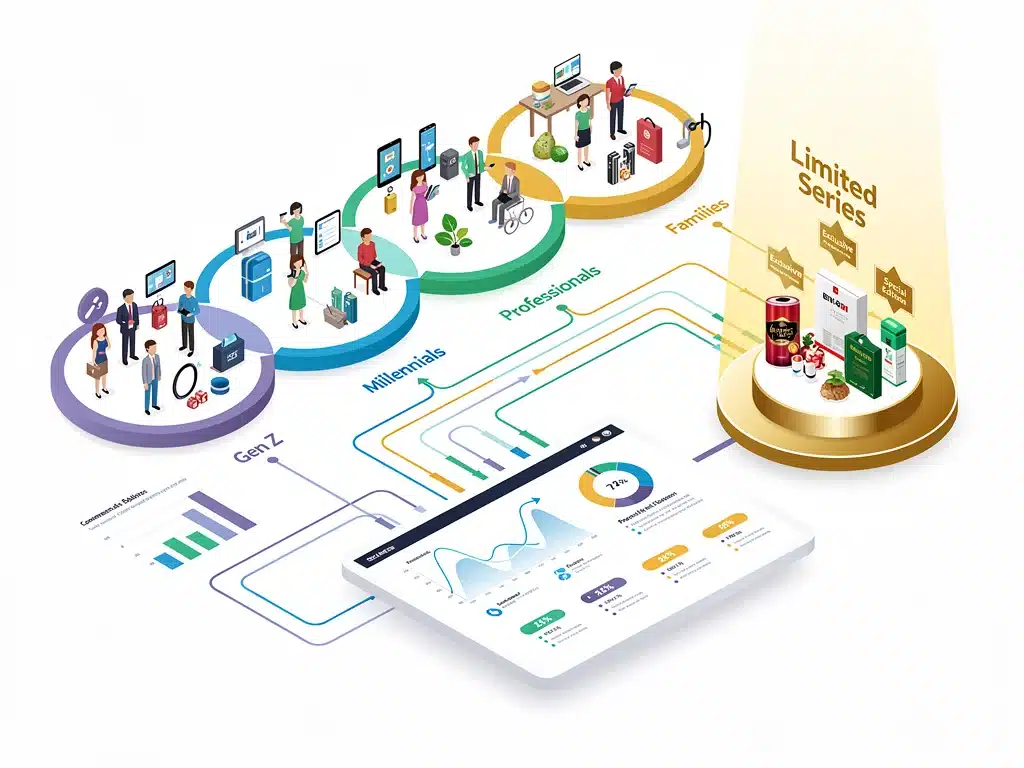
AI and Personalization in Marketing
Artificial intelligence can revolutionize how limited series products are marketed. AI-driven algorithms can analyze vast amounts of consumer data to identify ideal target audiences and personalize marketing messages for Q1 2026.
Personalized recommendations and tailored content increase the relevance of marketing efforts, leading to higher engagement and conversion rates.
This level of customization makes limited series product opportunities feel even more exclusive to individual consumers.
Chatbots and virtual assistants powered by AI can provide instant customer support, answering queries about product availability, features, and shipping.
This enhanced customer service contributes to a positive brand experience for Q1 2026 limited series.
Blockchain for Authenticity and Transparency
Blockchain technology offers a powerful solution for ensuring the authenticity and transparency of limited series products. Each item can be tracked from production to purchase, providing an immutable record of its journey for Q1 2026.
Consumers can verify the origin, materials, and ethical production practices of their limited series items, building trust and combating counterfeiting.
This transparency adds another layer of value to exclusive offerings, enhancing limited series product opportunities.
Implementing blockchain can also streamline supply chain management, providing real-time visibility and reducing administrative overhead.
This technological integration reinforces the premium nature and trustworthiness of limited series for Q1 2026.
Building Strategic Partnerships
Strategic partnerships can significantly amplify the reach and impact of limited series product opportunities.
Collaborating with complementary brands, influencers, or artists can open new markets and attract diverse consumer bases for Q1 2026.
Joint ventures can share resources, expertise, and marketing efforts, reducing individual risk while maximizing potential returns.
These alliances often lead to innovative product concepts and broader brand recognition for limited series.
Carefully selecting partners whose values and target audience align with your own is crucial for a successful collaboration.
A well-matched partnership enhances credibility and ensures a cohesive brand message for Q1 2026 limited series product opportunities.
Collaborating with Influencers and Creators
Influencer marketing is particularly effective for limited series products due to its ability to generate authentic buzz and drive immediate sales.
Partnering with creators whose audience resonates with your product can yield significant results for Q1 2026.
Authenticity is key; influencers who genuinely appreciate and use your product will convey a more credible message.
This organic endorsement fosters trust and encourages their followers to explore your limited series product opportunities.
Establishing clear objectives and metrics for influencer campaigns ensures a measurable return on investment.
Tracking engagement, traffic, and sales generated through these partnerships provides valuable insights for future Q1 2026 strategies.
Legal and Compliance Considerations
Navigating the legal landscape for limited series product opportunities requires careful attention to intellectual property, consumer protection, and international trade laws.
Compliance is non-negotiable to avoid costly disputes and reputational damage for Q1 2026.
Protecting trademarks, copyrights, and design patents is essential for safeguarding your unique product offerings.
This legal framework ensures that your limited series designs remain exclusive and cannot be replicated by competitors.
Understanding consumer protection laws regarding product safety, warranties, and advertising claims is crucial for building trust and avoiding legal issues. Transparent and accurate communication is paramount for Q1 2026 limited series.
Intellectual Property Protection
Registering intellectual property rights for your limited series products, including designs, branding, and unique features, is a critical first step.
This legal protection prevents unauthorized use and ensures your exclusive market position for Q1 2026.
Implementing robust internal policies for intellectual property management safeguards sensitive information and creative assets.
Educating employees on IP protection best practices further strengthens your legal defenses for limited series product opportunities.
Monitoring the market for potential infringements and taking swift legal action against violators is essential for maintaining the exclusivity and value of your limited series.
Proactive IP enforcement protects your investment for Q1 2026.
| Key Aspect | Strategic Focus for Q1 2026 |
|---|---|
| Market Analysis | Deep dive into consumer trends and niche identification for limited series. |
| Product Innovation | Focus on unique design, quality, and sustainable practices for limited series. |
| Marketing Strategy | Build anticipation and leverage exclusivity for successful limited series launches. |
| Risk Management | Financial planning and supply chain resilience for limited series product opportunities. |
Frequently Asked Questions About Q1 2026 Limited Series Product Opportunities
The primary challenges include accurately forecasting niche demand, managing agile supply chains, and effectively communicating product exclusivity. Overcoming these requires robust market research and flexible operational strategies to capitalize on limited series product opportunities.
Ensuring uniqueness involves investing in innovative design, collaborating with specialized creators, and leveraging advanced manufacturing techniques. Focusing on superior craftsmanship and distinct features is key to making limited series products stand out in Q1 2026.
Sustainability is increasingly vital, enhancing brand appeal and meeting consumer demand for ethical products. Integrating eco-friendly materials and transparent production processes can differentiate limited series product opportunities and build trust with buyers.
Digital marketing is crucial for building anticipation and reaching targeted audiences for limited series. Social media, influencer partnerships, and personalized campaigns effectively highlight exclusivity and drive immediate action, essential for Q1 2026 success.
Unique financial considerations include precise budgeting for smaller production runs, managing cash flow with rapid sales cycles, and mitigating risks associated with exclusive inventory. Careful financial planning is essential for maximizing profitability of limited series product opportunities in Q1 2026.
Looking Ahead: The Future of Limited Series Product Opportunities
The landscape for Limited Series Product Opportunities in Q1 2026 is poised for significant growth, driven by consumer demand for unique and exclusive items.
Businesses that prioritize agility, innovation, and strategic partnerships will be best positioned to thrive.
A prime example of capturing consumer enthusiasm through limited drops is the collectibles industry, as seen with flagship releases like the 2026 Topps Series 1 Baseball Cards.
The emphasis on data-driven insights and sustainable practices will further define success in this evolving market segment, ensuring that those who prepare diligently for Q1 2026 can capture the next wave of consumer interest and loyalty in limited series products.